


Blog

All Rosenberg Buick Dealer Rosenberg Used Cars Rosenberg Buick Service
Electric Vehicle

How Weather Changes Affect Your Electric Vehicle's Performance

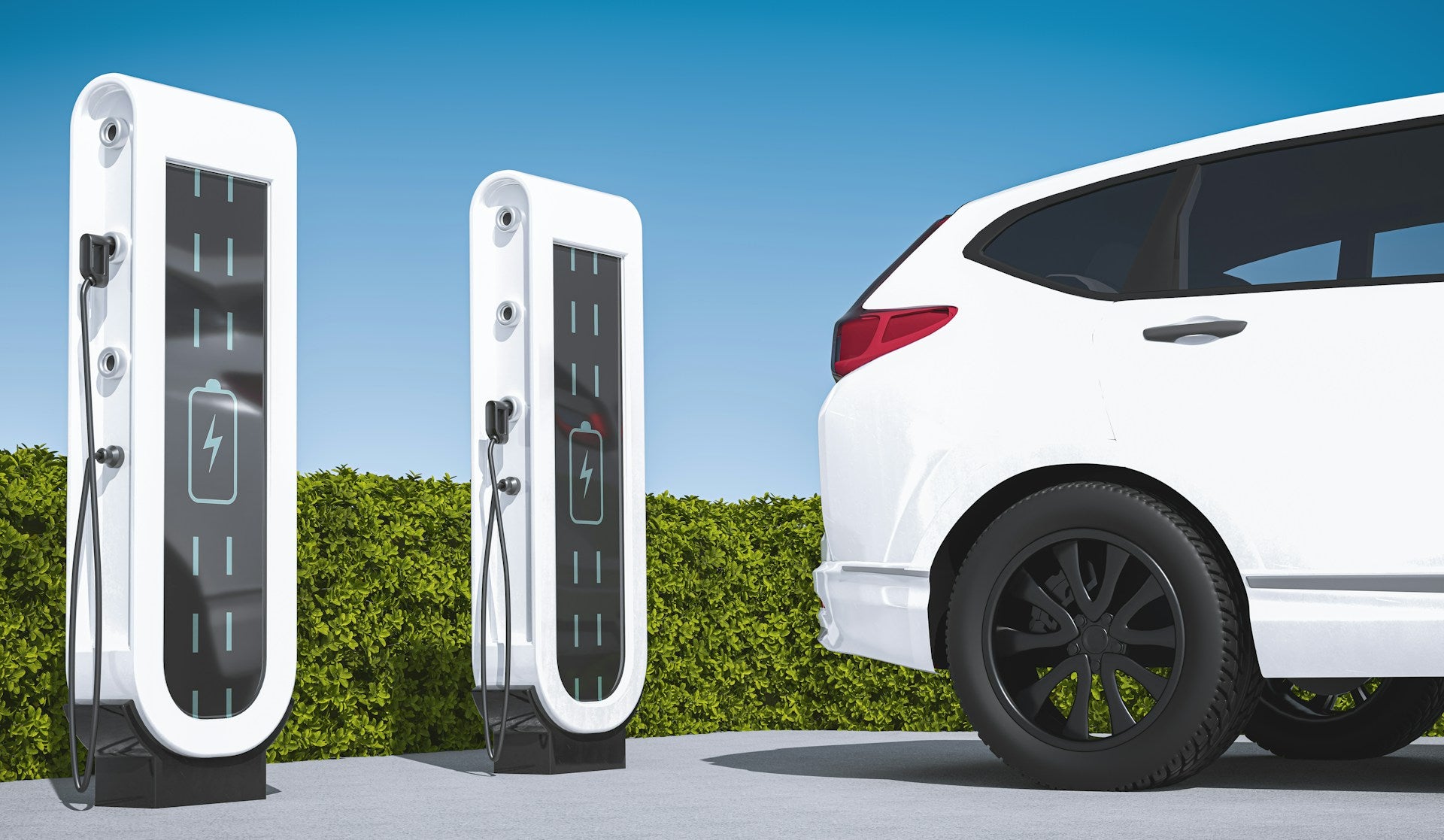
Electric vehicles are gaining traction across Texas thanks to their quiet performance, low daily driving costs, and cleaner operation. But while EVs are great options for many drivers, their performance can change depending on the weather, especially here in Rosenberg where summer heat, heavy storms, and occasional cold snaps can each bring unique challenges. Understanding how these conditions affect your EV can help you stay prepared and confident year-round. more Whether you're commuting to work or heading out on a weekend trip, knowing how weather affects your EV is a smart way to stay ready. As local EV ownership grows, it’s more important than ever to understand how rising temperatures and sudden weather shifts around Texas can impact things like battery health, charging time, and how your EV responds on the road. Here's what to expect and how to manage it. Weather Effects On Battery Performance Your EV’s battery reacts to temperature changes much like your cell phone. In Rosenberg, summer heat can come fast and strong. When things heat up, your battery may work harder than usual, causing it to lose range more quickly. That means shorter distances between charges and more frequent stops, which can be frustrating during a packed day. Texas winters may not be severe, but colder mornings still affect battery output. The battery fluids tighten up in the cold, which can cause delays in warm-up time and reduce your overall range. Constant exposure to extreme highs and lows can eventually wear on battery life if it's not handled with care. Protecting your battery is simple when you adopt the right habits: Park in shaded areas or garages on hot days Use the climate control app to pre-cool the cabin before entering Avoid full 100% charges unless you're taking a long trip Let the battery cool off before plugging in after a hot drive Run pre-conditioning mode in winter mornings to balance temperature Many newer EVs come with thermal management systems to help with this, but your habits make a big difference too. With the right steps, your battery can handle Texas heat and cold without a hitch. Charging Challenges In Different Weather Conditions Weather can change how your EV charges, and knowing the differences helps avoid delay. In warm weather, charging usually speeds up. But on extremely hot days, your EV might slow the process down to protect its battery, especially when using a fast charger. Sometimes that means the charger will reduce power until the battery cools off. In cold weather, things shift again. The car might not accept a fast charge right away because the system needs to warm up first. This delay means a quick charging stop could turn into a longer wait if the battery isn’t ready. Having a strong home charging setup helps avoid frustration: Use a Level 2 charger at home to recharge overnight at lower temperatures Charge during cooler parts of the day to ease battery stress Park in a shaded or covered area while the vehicle is charging Keep your EV’s software updated—fixes are often released for better temperature handling Texas drivers can stay on track by planning around the weather and building charging habits that reduce surprises. Seasonal Maintenance Tips For EV Owners Electric vehicles may have fewer moving parts than gas-powered ones, but they still benefit from regular maintenance, especially in changing seasons. In Rosenberg, you’re dealing with intense summer heat and cooler shifts during early winter. Tires are a great place to start. Hot pavement increases pressure inside your tires, while colder weather deflates them. That back-and-forth can lead to uneven wear if you’re not watching it. Check your pressure every few weeks as seasons change. Keep an eye on your fluids. EVs still rely on coolant, brake fluids, and windshield wiper fluid. Rainstorms can come out of nowhere here, making clear visibility a sudden priority. Having everything topped off makes sure your vehicle runs safely and smoothly. Here are some timely tips for seasonal tuning: Adjust tire pressure as temperatures swing to avoid flat spots Get your HVAC and battery cooling systems inspected twice a year Replace wiper blades before the heart of storm season arrives Check your brakes, even with regenerative braking systems in place Book a checkup if your charging becomes slow or less efficient It’s smart to replace your cabin air filter regularly too, especially if you drive through dusty areas or cedar-heavy seasons. Clean air keeps your AC running better and cuts down on cabin discomfort during a hot afternoon. How Texas Roads And Weather Impact EV Driving Experience Driving in Texas is never boring, and the state’s unpredictable weather makes every trip different. Hot days, thunderstorms, or surprise cold fronts can change how your EV behaves, from traction to general handling. On dry summer days, your tires grip more but the AC pulls extra power from the battery. High power use drains your charge faster, reducing how far you can go on a full battery. During thunderstorms, road traction drops and visibility worsens. Combine that with strong winds, and even a short drive can feel harder to manage. In heavy rain, standing water can catch you off guard. Quick acceleration feels fun in an EV, but it's better to ease into turns or stop gradually when it’s slick. Water doesn’t hurt the motor directly, but hydroplaning is always a risk. Tires with low tread make things worse and should be replaced before the stormy season hits hard. To stay safer and drive better in Texas: Use eco-driving mode to save range on super-hot days Take it slow in the rain to avoid accidents Steer clear of deep water and potholes to protect wheels and suspension Reroute when storms hit to avoid flooded areas Let the cabin pre-cool while the car is plugged in to save battery A local story we hear often at Finnegan Chevrolet Buick GMC is how quick range can drop when an EV is left running at a job site with the AC on high just to stay cool at lunch. Keeping the car powered while idle burns more charge than many realize, especially when it’s parked in the sun. Awareness like that helps everyone get more out of their EVs. The small habits add up. Keeping Your EV Ready for Every Season Understanding how your EV reacts to Texas weather can make every mile smoother. Whether you're focused on better charging results in the heat or working on improving cold weather range, responding to seasonal shifts helps you protect your EV’s performance over time. From dry stretches to downpours and cold snaps, Texas roads don't always play fair. But when you stay focused on regular service, smart driving choices, and weather-specific adjustments, your ride stays strong all year long. Working with Finnegan Chevrolet Buick GMC makes that even easier. We’re here in Rosenberg and understand what your EV faces because we see it too. Whether you’re headed on a road trip or just running daily errands, planning around the elements helps your vehicle stay dependable month after month. Electric vehicles offer a clean and efficient way to travel across Texas. Keeping them in top shape throughout the year takes the right kind of preparation. Experience the benefits firsthand by getting your hands on one of our new vehicles. Explore Texas best deal autos at Finnegan Chevrolet Buick GMC today to discover a lineup that matches both your needs and the distinctive Texas weather. Whether you're in Rosenberg or just passing through, our selection and services are tailored just for you.
Buick

Understanding Your Buick's Warning Indicators And Symbols

When you're driving your Buick around Rosenberg, you expect a smooth ride, not a dashboard lighting up with symbols you don’t recognize. But all of those little icons appearing in your gauge cluster are trying to tell you something. Understanding what those warning indicators and symbols mean isn't just helpful, it’s one of the easiest ways to avoid major problems before they spiral into expensive repairs. more The new Buick Enclave comes loaded with tech, convenience, and comfort, and along with that comes a set of warning lights designed to keep you informed. Knowing how to read those signals is a key part of owning one. Whether it’s a simple reminder for routine maintenance or a bigger issue that needs immediate attention, learning to recognize what your Enclave is telling you can make a big difference in your overall experience behind the wheel. Common Warning Indicators And Symbols There’s a difference between a light that says you need gas soon and one that’s telling you not to drive another mile. Some symbols are pretty straightforward, like the seatbelt warning or gas level indicator, while others aren’t as obvious. Here are some of the most common alerts drivers run into and what they usually mean: Check Engine Light: This can signal anything from a loose gas cap to engine trouble. If it flashes, that usually means the problem is urgent and should be looked at right away. Battery Warning: Indicates a potential issue with the charging system. This could involve your alternator, battery, or another connected part. Oil Pressure Warning: Usually shaped like an old-style oil can, this means your engine might not be getting the lubrication it needs. Driving with this on can lead to serious damage. Tire Pressure Monitoring System (TPMS): This light comes on when a tire is under-inflated. Cold weather in Rosenberg during December can lower tire pressure, making it important to regularly check this light. Brake System Warning: This could be because your parking brake is engaged, but it might also point to something bigger like low brake fluid or worn pads. When these lights come on, don’t ignore them. Even if your car still feels okay, a small issue can turn into something major if not taken care of quickly. Restart the vehicle and check if the light stays on. If it does, it's a good idea to talk to someone who knows what to look for. Stay ahead of the problem before it grows. Specific Symbols For The Buick Enclave Every vehicle has some unique warning lights, and the new Buick Enclave is no exception. While some symbols are standard across many models, others are designed specifically to work with the Enclave’s systems and features. Recognizing these can help you catch something early, helping you out over many miles of driving in and around Rosenberg. Here are a few Enclave-specific alerts to know about: AWD System Warning: If your Enclave has All-Wheel Drive, this symbol pops up when there’s a problem in that system. If the light doesn’t go off after startup, it’s time to get it checked. Adaptive Cruise Control Alert: This warning shows up if the adaptive cruise system isn't working right or needs calibration. The icon looks a lot like a speedometer with a car in front of it. Lane Keep Assist or Lane Departure Warning: These lights may appear if the system loses track of road markings or the view from the camera gets blocked. It’s more common in foggy or rainy weather. Traction Control Off Indicator: If this lights up without you turning the system off, it could mean there’s a fault in the system that needs attention. The good news is your Buick Enclave's driver info center often adds a quick message that pairs with the alert symbol. Still, if a new or odd light comes on and you're not sure what it means, it’s safer to ask instead of taking a chance. Keeping Your Buick Enclave In Top Shape Staying ahead of warning lights starts with basic upkeep. Almost all warning lights connect to parts of your Buick that need care from time to time. Prevention really is the best way to avoid bigger problems later on. With cooler months rolling into Rosenberg, it’s smart to take a little time now and make sure everything is in working order. Here are a few ways to keep your Enclave ready for every drive: Top off key fluids like oil, brake fluid, washer fluid, and coolant Monitor tire pressure regularly and watch tread levels Check your windshield wipers and replace if needed Have your battery tested, especially before road trips Stick to Buick’s scheduled service intervals Spending a few minutes looking over these things can help you avoid warning indicators or sudden repairs. It’s a lot easier to keep something running well than to fix something that breaks. Getting quick, expert help at Finnegan Chevrolet Buick GMC in Rosenberg makes all the difference when something small starts to go wrong. Steps To Take When A Warning Light Pops Up A dashboard light turning on might catch you off guard, but don’t panic. A calm, careful response helps you figure out what’s going on and what you should do next. Whether it’s a simple fix or something more serious, acting quickly gives you the best outcome. Here’s a safe way to handle it: If a light starts flashing while driving, safely pull over and turn the car off Restart the vehicle and see if the light appears again Check the gauges and listen for strange noises For tire alerts, inspect the tires or stop at a nearby air pump Never assume it will go away on its own. Waiting could make things worse Responding fast is the best way to protect your Enclave. If you’re ever unsure what a symbol means or how urgent the problem might be, reach out to Finnegan Chevrolet Buick GMC. Our service team in Rosenberg is ready to take a closer look and keep your Buick running just the way it should. Drive Smart and Stay Confident Behind the Wheel You don’t have to be an expert to understand what your Buick is trying to tell you. Taking a little time to learn the meaning behind each warning light can help you feel more in control. Whether you’re driving across Rosenberg or heading out of town, knowing what’s going on under the hood gives you peace of mind you can count on. The Enclave is a reliable vehicle made with driver-friendly safety features, but even the best car needs attention now and then. Being alert to your dashboard symbols means fewer surprises and smoother driving. Keep up with regular maintenance, watch for small changes, and don't wait if something feels off. Your Buick’s alerts are there to help you — and we’re here to help you understand them. Finnegan Chevrolet Buick GMC is proud to support drivers in Rosenberg with professional service, expert advice, and vehicles built for comfort and confidence. Ensure your next drive is as smooth as you expect by staying informed about your vehicle's warning indicators. If you're looking for a vehicle that offers advanced safety systems and modern technology, take a closer look at the new Buick Enclave in Rosenberg. Stop by Finnegan Chevrolet Buick GMC to learn more about how we can support you with expert service and dependable vehicles.

Electric Vehicle

Ways To Protect Your Electric Vehicle's Battery In Winter

When temperatures drop in Rosenberg, TX, electric vehicle owners start noticing changes in how their cars perform. One of the biggest concerns during winter is battery efficiency. Cold weather can lower battery output and affect driving range, making it important to pay attention to how your car is operating. If you've recently switched to an EV or you're dealing with colder months for the first time, it helps to know how seasonal shifts impact your vehicle. more Driving an electric car during winter isn’t impossible, but it does call for added attention. Understanding how cold affects EV batteries can help you avoid disruptions, delays, or costly repairs. There are several habits and maintenance steps that can really help extend battery life and minimize setbacks. We'll lay out practical things you can do to keep your EV performing smoothly throughout the cooler season and help make your winter drives less stressful. Understanding How Cold Weather Affects EV Batteries Electric vehicle batteries respond differently to winter than gasoline-powered systems. Lithium-ion batteries, which power most EVs, slow down in low temperatures. That means your vehicle works harder and takes longer to do things it normally handles with ease. You might have noticed your car starts a little slower or takes longer to charge at home. That's not your imagination — it's just how the chemistry of the battery works in colder air. When the battery gets cold, the fluid inside it gets thicker, slowing down the energy transfer. This can lead to issues like reduced driving range and slow charging speeds. You may notice yourself stopping to recharge earlier than usual or planning routes more carefully. The colder it is, the more energy your car uses because it's also working to warm up the battery and cabin, especially if you hop in and crank the heater right away. Here’s what might happen to your EV battery performance during the winter months: Reduced overall range, meaning fewer miles per charge Slower home and public charging times Delayed battery response, especially when starting the vehicle More energy needed for heating the cabin and warming the battery These effects are common and shouldn’t make you question your car’s abilities. But if ignored over time, they can cause extra wear on the battery. Getting ahead of this with smart steps can protect your system and give you a better experience behind the wheel. Pre-Winter Battery Maintenance Tips Don’t wait for freezing nights before checking your EV’s readiness for winter. A little preventive care can go a long way. While Rosenberg winters aren’t typically brutal, it only takes a few frosty mornings to impact your battery health. Scheduling routine maintenance before cold weather hits can keep minor issues from turning into major headaches. Start with checking your coolant levels. Just like traditional vehicles, EVs rely on proper thermal management to function well. Low or old coolant can interfere with the battery’s ability to regulate temperature. Next, inspect the battery terminals for dirt or corrosion. Clean, tight connections keep power moving efficiently and cut down on unnecessary strain. Here are a few more steps to take before cooler weather sets in: Replace old coolant if it hasn’t been checked in a while Clean battery terminals and check for corrosion Make sure all cables and connections are secure Ask your technician to inspect the battery’s general condition and performance Review any vehicle alerts or system messages related to battery health Taking care of these small tasks early helps avoid winter surprises. It also gives you peace of mind knowing your EV is ready to handle the season ahead. Partnering with trusted professionals makes it easier to catch any hidden issues before they turn into bigger problems. Daily Habits To Protect Your EV Battery In Winter Once winter sets in, it’s smart to build a few new habits into your daily driving routine. These small changes don’t take much effort but can have a big impact on how your EV battery handles the cold. One of the easiest things to do is park your EV in a garage or carport whenever possible. Parking indoors helps keep the battery from getting too cold overnight. On especially chilly mornings, your EV won’t have to work as hard to get warmed up. If indoor parking isn't an option, try to at least shield it from wind and frost by parking near a building or using a car cover made for winter weather. Another helpful tip is to keep your car plugged in when you're not using it. This allows the battery management system to maintain a stable temperature and stay slightly warm, which is better for performance and charging. Most EVs will manage their own temperature when connected to a charger, which uses less battery than warming itself up after being unplugged all night. You should also take advantage of your vehicle’s preconditioning feature. This warms the battery and the cabin before you leave, using energy directly from the charger if plugged in. That way, you aren’t draining the battery just to get a warm seat and some heat blowing from the vents. Here are a few more habits to get into: Set climate control timers to warm the car before your morning drive Keep the charge level between 20% and 80% to reduce battery stress Avoid running the heater non-stop while driving, use seat warmers when possible Don’t let your car sit unused for long periods in extreme cold The more consistent you are with these habits, the more you'll notice stable performance day after day. This kind of routine care can prevent smaller problems from turning into bigger ones during the season. Optimizing Your EV's Range During Cold Weather Cold air can cut into how far your EV travels on a full charge, so it’s helpful to plan your drives a little differently. With each freezing morning, your battery has to work extra hard to power the cabin heater and warm the battery itself, which ends up reducing what’s left for actual driving. You can help your EV use its power more efficiently by combining trips. Instead of making multiple short drives throughout the day, group your errands together into one outing. Once the cabin and battery are warmed up, keeping them that way takes less energy than warming them up again later. Driving techniques matter too. Aggressive acceleration puts a heavier load on the battery, and unnecessary braking wastes momentum. Smooth, steady driving helps preserve energy and also makes for a more comfortable ride. Use eco-mode settings if your EV has them. These settings automatically adjust throttle response, HVAC performance, and power output to help extend range in colder temperatures. You might notice the car feels a bit slower to respond, but that’s just part of the tradeoff for squeezing out extra miles. One simple example is if your regular drive to work feels like it drains the battery quicker in winter, just switching to eco-mode, reducing your speed slightly, and not blasting the heat can make a noticeable difference. It’s a matter of getting used to different controls that favor efficiency. Here’s what you can do to preserve range: Take fewer but longer trips instead of several short ones Use seat and steering wheel heaters instead of cabin heat Keep tires properly inflated for optimal traction and battery use Shift to lower power-driving modes when conditions allow By adjusting your usual routine just a little, you’ll notice less stress on your battery and more consistency in your drive time. Ensuring Long-Term Battery Health Thinking beyond the current season is smart when you're dealing with an EV. While daily use plays a role, your charging habits and tech updates also shape how well your battery performs over time. In cold weather, these things matter even more. Try to avoid using fast chargers too often. While they’re great in a pinch, the high energy levels can add up and wear down your battery quicker if used too frequently, especially during winter months when the system is already under stress. Make use of software updates from your carmaker. These updates can improve battery management systems, fix bugs, and help your vehicle respond more effectively to temperature changes. Some EVs do this automatically, but it’s worth checking that updates are installed on time. For those living in areas with extra cold weather for long stretches, a battery warmer might be worth looking into. These are usually built-in features or accessories that keep your battery from reaching freezing temps. In Texas, extreme cold isn’t constant, but colder-than-usual years do happen, so having a plan can help. Keep these tips in mind for long-term performance: Stick with Level 1 or Level 2 chargers for regular charging whenever possible Schedule routine service appointments to monitor battery condition Enable auto-updates for your EV’s software Ask about battery heating systems or accessories if you’re concerned about deep freezes Treating your battery carefully year-round builds a strong base for better winter operation. It’s all about balance and staying ahead of what your EV needs before issues show up. Keep Your EV Battery Winter-Ready with Finnegan Chevrolet Buick GMC Getting your EV through the winter in Rosenberg doesn’t have to be stressful. When you learn how cold weather affects your battery, then take action with smart maintenance and driving habits, it becomes less of a headache and more of a routine. Every little change, from where you park to how you charge, helps your vehicle handle cold snaps better. Building in these habits takes a little time at first but rewards you with stronger battery life and smoother performance. Whether it's your first EV winter or your fifth, sticking to the basics can save you trouble later. Look at it like caring for any long-term investment — a little work now sets you up for fewer problems down the road. For those ready to explore the best used EV cars and ensure your vehicle is prepared for all seasons, Finnegan Chevrolet Buick GMC is here to help. Whether you're focused on winter readiness or seeking a reliable EV that complements your lifestyle, explore our diverse inventory and discover how we can support your journey toward efficient and worry-free driving.

GMC Sierra

Ways To Extend The Life Of Your GMC Sierra

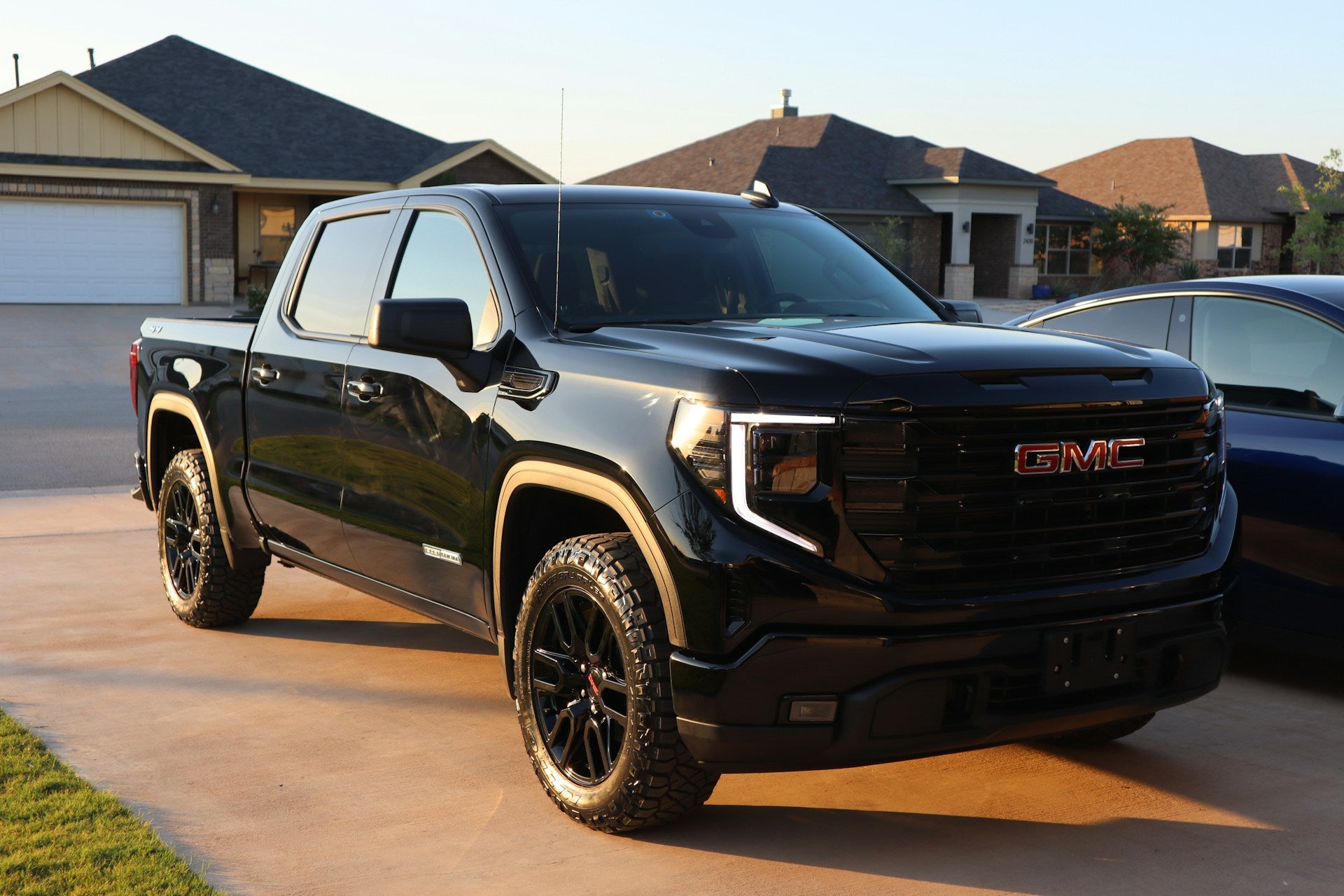
The GMC Sierra is built tough. It's made to handle long drives, heavy work, and everything Texas roads throw at it. Whether you're cruising through Rosenberg or hauling gear across the state, drivers count on their Sierra to deliver strength and dependability. But even the strongest pickup needs regular care to keep it running smooth for years to come. more Taking care of your Sierra goes beyond just changing the oil. How you drive it, where you store it, and whether you stick to routine maintenance can all affect how long it stays in top shape. If you’re checking out a new GMC Sierra in Rosenberg or already own one, there are some simple ways to keep it performing like new long after the odometer keeps ticking up. Regular Maintenance Checks Regular maintenance is key to keeping your Sierra on the road. It’s tempting to let months go by without checking under the hood, especially when everything seems fine. But skipping the basics can lead to bigger problems later. Here are a few things you should stay on top of: Oil changes: Every engine needs fresh oil to stay healthy. Old oil breaks down and can cause damage over time. Stick to the recommended oil change interval in your owner’s manual. Tire pressure: Driving with underinflated or overinflated tires affects gas mileage and wear. Check tire pressure monthly and before long drives. Brake inspections: Listen for squeaks or grinding noises. If you're having to press harder than usual on the pedal, it's time to get them checked. Air filters: A clean filter helps your engine breathe better and use fuel more efficiently. Dirty filters make it work harder and affect performance. Getting the basics checked and serviced by GMC-certified professionals benefits your truck long term. They’re trained to catch things early and use parts that are made to fit your Sierra perfectly. If you’re in Rosenberg, that kind of service is easy to find and should be part of your regular routine. Protect the Exterior and Interior It’s easy to forget about looks when you’re focused on performance, but paint chips and worn interiors add up over time. Whether you're driving through rainy weather or dealing with heat in Texas, protecting your GMC Sierra from the elements can make a big difference in how it holds up five or ten years down the line. Here are a few simple ways to shield your truck: Wash it regularly to remove dirt, salt, or pollen that can eat away at paint and cause rust. Apply a coat of wax every few months to protect the paint from sun and road grime. Use seat covers, sunshades, and floor mats to keep the inside clean and cool, especially in warmer months. Park in shaded or covered areas when you can. In a place like Rosenberg, where summers can be hot and winters mild, keeping both the exterior and interior of your truck in good condition is about making smart everyday choices. A little effort now can prevent wear that often leads to more expensive repairs or faster depreciation. One driver kept their Sierra looking newer longer just by sticking to monthly washes and keeping the seats covered when parked in the sun. It sounds simple, but it paid off. Driving Habits That Keep Your Sierra Running Strong How you drive every day has a big influence on how long your GMC Sierra lasts. Even simple choices like how fast you accelerate or how hard you brake can slowly wear things down if they become regular habits. The good news is, with just a few mindful changes, your truck can stay stronger for longer. Smooth, steady driving is key. Harsh stops and quick takeoffs might feel good once in a while, but they place extra strain on your brakes, tires, and engine. Keep speeds consistent when possible, and give yourself space in traffic so you don't have to slam on the brakes suddenly. This gradually reduces wear and helps the truck’s systems stay balanced. Sticking to paved roads or maintained trails when possible can also extend the life of your suspension and underbody. While the Sierra handles terrain well, repeated rough use without cleanups in between will lead to quicker breakdowns over time. And when it comes to climbing steep areas or hauling something heavy, make sure to avoid pushing your engine too hard. Fuel choice makes a difference too. Always use the type of gas listed in your owner’s manual. Some lower-grade fuels can leave behind build-up, which affects engine performance over time. If you regularly drive with a full load, letting your truck idle too long afterward can also raise engine temps more than needed. Cut the engine if you’re waiting. In short, treat your truck how you'd want to be treated if you were pulling its weight every day. A little kindness on the road can lead to thousands more miles down the line. When to Replace and Upgrade Parts One of the best things you can do to extend your Sierra's lifespan is to replace worn out parts before they cause bigger damage. Some parts fade out quietly, so it’s good to keep track of time and mileage, not just wait for something to fail. Here are a few components to stay ahead of: Batteries: These usually show signs like slow starts or dim lights. Cold mornings in Rosenberg can stress older batteries fast, especially heading into Texas winter. Tires: Keep an eye on tread depth, uneven wear, and cuts in the sidewalls. Checking alignment when rotating tires helps them last longer. Filters: Oil and air filters get clogged over time. Replacing them regularly protects the engine and improves fuel use. Belts and hoses: These can dry out or crack without warning. Replacing them before they split open avoids more expensive repairs on the road. Wiper blades and lights: These may seem minor, but visibility matters. Swap them out when they streak or dim. Always go with parts made to fit your GMC Sierra. Generic parts sometimes wear out faster or don’t match the performance the truck’s designed for. That can lead to more issues, even if they fit at first. Staying ahead of repairs keeps your truck safe and avoids getting sidelined in the middle of your plans. We once had a customer whose Sierra ran great for nearly a decade just by sticking to his replacement schedule and checking his battery every fall. Even little reminders like that can help avoid the stress of surprise repairs later. Keep Your GMC Sierra in Top Shape with Us Putting care into your Sierra pays off in more ways than just mechanical life. The truck handles better, drives quieter, and holds its value longer when you're regular about upkeep. Whether it's planning a long trip or just hopping around Rosenberg for errands, you're less likely to run into unexpected issues when you keep up with maintenance and treat your truck with care. Your driving habits, the quality of parts you use, and how you handle repairs can all work together to keep your truck reliable for the long haul. When you treat every oil change, tire check, and brake inspection as part of a steady plan, your Sierra becomes more than just a truck. It becomes a dependable part of your everyday life. Every hour you put into protecting your GMC Sierra adds miles to the road ahead. Keeping it in top shape reduces stress, boosts performance, and makes every drive feel smoother. Whether you're behind the wheel of a brand-new Sierra or looking to keep an older one going strong, good habits go a long way. If you're focused on getting the most life and performance out of your truck, a new GMC Sierra in Rosenberg from Finnegan Chevrolet Buick GMC is a smart start. Pair smart maintenance with high-quality parts, and your Sierra will be ready for whatever the road throws your way.

Chevrolet Truck

Signs Your Truck Needs Professional Maintenance Service

It’s easy to get caught up in the day-to-day and forget how hard your truck works. Whether you're hauling equipment, driving through rough back roads, or just handling everyday errands, your truck takes on a lot. Over time, small issues can build up quietly until something big goes wrong. That’s why regular maintenance is more than just oil changes. It’s about spotting early signs of wear before they snowball into expensive repairs. more Knowing those signs isn’t just helpful—it’s practical. Strange sounds, warning lights, or even a drop in power are your truck’s way of waving a red flag. Ignoring them might save you a trip to the shop today, but they could cost you a lot more later. Spotting these signs early and turning to trusted professionals like Finnegan Chevrolet Buick GMC can keep your truck running strong on Texas roads. Unusual Noises Trucks shouldn’t sound like they’re auditioning for a music video. If you start hearing noises you’ve never heard before, it's usually a sign something's off. Squealing brakes could mean worn-out brake pads. A grinding sound might mean your brake rotors are worn down. Knocking noises from under the hood? That might point to engine trouble needing attention right away. Sounds can come from many truck systems—the engine, suspension, transmission, brakes—and they're all trying to tell you something. It’s not always easy to tell where a sound comes from. One customer came in thinking their wheels were out of alignment due to a strange sound while turning. It turned out to be a failing CV joint. If you're hearing any of the following, bring your truck in: Squealing or screeching when braking Grinding while driving or stopping Rattling from underneath the truck Knocking or tapping from the engine Whining from the transmission or steering These sounds usually don’t disappear without help. Waiting things out can just make the issue worse, and more expensive. Warning Lights On The Dashboard Your truck's dashboard is its way of speaking to you. When a light turns on, it means something needs attention. Even if the truck seems to be running fine, dashboard lights are warning signs for hidden problems. Ignoring them often leads to bigger trouble and costlier repairs. Here are a few warning lights you shouldn’t ignore: Check Engine Light – Covers a wide range of issues from loose gas caps to failing sensors or severe engine trouble. Brake Warning Light – Could mean low brake fluid, worn pads, or a problem with the anti-lock braking system. Oil Pressure Light – Signals low oil pressure and may be a sign of a leak or damage to engine parts. Battery Warning Light – Could point to a weak battery, alternator failure, or larger electrical trouble. Temperature Warning Light – Means your engine is getting too hot. Letting it go can cause serious damage. When these warning signs show up, schedule service quickly. A technician can check the diagnostic codes and fix the issue before it becomes a major problem. Decreased Performance or Fuel Efficiency You know how your truck should feel when you drive it day to day. If it starts lagging, feels weaker, or you’re getting fewer miles per tank, that’s a warning. These changes build up slowly, so you may not notice them right away, but they suggest something’s affecting your engine’s performance. Common reasons include: A clogged air filter that’s restricting airflow into the engine Dirty fuel injectors that throw off fuel delivery Worn-out spark plugs that misfire and hurt acceleration Issues with the fuel system, throttle body, or mass air flow sensor Watch for: Sluggish acceleration, especially when merging or driving uphill Jerky engine response or hesitation at steady speeds Poor fuel economy or reduced mileage Engine stalling or rough idling while stopped If the drive doesn’t feel like it used to, or your fuel tank isn't stretching like before, don’t wait it out. A quick check at Finnegan Chevrolet Buick GMC can help narrow down the cause and keep it from becoming a breakdown. Leaks and Unusual Smells Fluids are vital to your truck’s systems—like the heart, lungs, and nerves for your vehicle. When those fluids start to leak, they leave a trail under your truck or an unfamiliar smell in the air. Here’s what to look and sniff for: Dark brown or black puddles under your truck could be engine oil. It might just be a loose filter, or it could mean a worn gasket. Green or pink fluid likely signals a coolant leak. Losing coolant could cause overheating fast. Yellowish or clear liquid might be brake fluid. This is urgent since it affects your ability to stop the truck. Burning or unusual smells can also point to bigger problems: A burnt rubber scent could mean a slipping belt or an overheating hose A strong gasoline smell often comes from a fuel system issue A sweet, syrup-like smell is usually leaking coolant An electrical or burning plastic smell can be damaged wiring or overheating electronics These symptoms rarely go away on their own. Leaks and smells often worsen over time and can damage other parts of your truck. Quick attention helps keep repair costs lower and avoids major system failures. How Scheduled Maintenance Extends the Life of Your Truck It’s easy to think that if something isn’t broken, it doesn’t need fixing. But scheduled maintenance is really about preventing problems before they start. Regular checkups save you from last-minute repairs or off-road breakdowns. At Finnegan Chevrolet Buick GMC, our trained technicians spot small problems before they get costly. We look out for signs like dirty filters, fluid changes, worn brake pads, and sensor warnings. These may not stop your truck today, but they can limit how it performs in the near future. Keeping up with regular maintenance helps your truck: Stay responsive during acceleration and shifting Deliver better, consistent fuel mileage Avoid engine overheating, especially in hot Texas weather Brake safely whether the roads are dry or slick Save money by avoiding major repairs down the road Taking care of your truck regularly means fewer surprises, better safety, and more confidence every time you hit the road. Why It Pays to Act Fast in Rosenberg Drivers in Rosenberg put a lot of demand on their trucks. Whether it’s heavy towing, daily commuters, or high-mileage routes in Texas heat, these road conditions apply pressure fast. Trucks face wear and tear just by doing their job, and that makes early attention incredibly helpful. Waiting might seem easier, but delays raise the cost of repairs and the risk of breakdowns. If something feels off—whether it’s sounds, lights, leaks, or just how it drives—get it checked sooner rather than later. At Finnegan Chevrolet Buick GMC, our maintenance team is ready to help keep your truck in top condition. Choosing to act quickly means getting ahead of the problem, keeping repairs smaller, and helping your truck last longer. When you stay regular with your service visits, you stay ready for whatever the Texas roads bring your way. Keep your truck in top condition by focusing on preventive care and timely servicing when things seem amiss. For those exploring options in the area, our selection of new Chevy trucks in Rosenberg offers reliable performance and lasting value. At Finnegan Chevrolet Buick GMC, we're here to help you ensure your vehicle stays road-ready for every mile ahead.

Chevrolet Truck

Questions To Ask When Buying A Used Truck In Texas

Buying a used truck in Texas can be a smart move. Whether you need something for work, hauling tools, transporting equipment, or for weekend adventures, used trucks often give you good value without sacrificing performance. Unlike new models, you’re less likely to deal with rapid depreciation, and there's still a wide variety of options to choose from, including different makes, bed sizes, and power levels. Plus, used trucks are often loaded with upgrades added by previous owners, which means you might end up with more features for less money. more But before signing any paperwork, it's worth going into the process prepared. The questions you ask up front can make the difference between a long-lasting investment and a regret a few months down the line. Especially when shopping in a place like Rosenberg, understanding your specific needs and what to look for in a used truck helps cut through the noise and focus only on the right fit for your lifestyle and budget. What Are My Needs? This should always be the first question you ask yourself when shopping for a used truck. You’ve got to be clear on how you'll be using it. A truck that's perfect for commuting back and forth on city streets isn't going to cut it on a ranch outside Rosenberg. Likewise, a heavy-duty diesel might be overkill if you're just looking for something to take home weekend project supplies from the hardware store. Here are a few things to think through: What kind of driving will you do most? City, highway, or job site? How much towing or hauling will you be doing regularly? Do you need 4WD or AWD for off-road use or tough weather? Is fuel efficiency high on your list of priorities? Would you prefer an extended cab for extra passenger space? Will it fit in your garage or driveway? Giving thought to these points ahead of time keeps you focused when it’s time to test drive and compare models. Imagine someone who decides they only need a small truck to save on gas, but after purchase, finds themselves hauling landscaping equipment every weekend that barely fits the bed. You're better off mapping your real needs in advance to avoid buying something that feels like a compromise. Can I See the Vehicle History Report? Always, always ask for the truck’s vehicle history report. This report is one of the best ways to make sure you’re not buying someone else’s problems. A clean and detailed history can give you a lot of peace of mind, while missing or vague records should raise some red flags. When reviewing the report, make sure to check for: Accident history and damage reports Number of previous owners Whether the truck was used commercially Odometer readings and any signs of tampering Service and maintenance records Any open recalls that haven’t been resolved This isn’t just about catching major issues. Even small patterns can tell you a lot. For example, if regular oil changes or tire rotations are listed, that often means the previous owner took decent care of the vehicle. On the other hand, if there’s a huge gap in services or maintenance records, it might point to neglect. That’s something not always obvious on a quick test drive. The history of a truck plays a big role in predicting its future. If you're planning to keep it long-term, it's easier to plan ahead when you know exactly what kind of lifespan you can expect from the vehicle you're buying. What Is the Current Condition of the Truck? Even if a truck looks great on the outside, it's a good idea to dig deeper than appearances. The current condition of the vehicle tells you more about daily wear and tear and what you might expect after a few months or miles down the road. You don’t have to be a mechanic to ask a few helpful questions and look for clear signs of issues. Here are questions to ask and things to check: Has the truck had any recent repairs or replacements? Are there signs of rust, especially around the underbody or wheel wells? Do the tires match and show even wear? Is the suspension quiet over bumps? Does anything leak from under the truck when it's parked? Do all electronics like lights, power windows, and AC work properly? When you're behind the wheel, use a test drive to feel how the truck responds. Accelerate, brake, and turn in a few settings like city streets, open roads, and a parking lot. Listen for strange noises during turns or shifts. A bit of noise on older trucks isn’t always a dealbreaker, but sudden clunks or hesitation may be. Also, give the interior a good look. A clean, well-kept cabin often means the previous owner paid attention to overall care. In Rosenberg, trucks can face a lot of outdoor use, so sun damage and dusty vents might show how the truck was used and where it’s been. A little wear is normal. What you want to avoid is evidence of neglect. What Are My Financing Options? Once you’ve narrowed down your choice, the next step is figuring out how to pay for it. A lot of people go in assuming they'll get a loan through their own bank, but dealerships in Rosenberg like Finnegan Chevrolet Buick GMC often offer financing paths that can be competitive and more flexible. The main approaches include: Traditional auto loans Lease-to-own plans In-house financing options Pre-approval programs that help set your budget Each route has its own benefits depending on your situation. A loan is a good fit if you're planning to keep the truck long term and want to build value in something you own. Leasing or lease-to-own might make more sense if you prefer lower monthly payments and want to switch out vehicles every few years. Ask yourself how much you’re comfortable putting down up front, what monthly amount makes sense, and how long you’d like to make payments. Keep in mind that interest rates, loan terms, and credit approval all impact what kind of offer you’ll be given. A dealership like Finnegan Chevrolet Buick GMC will walk you through those details and help you figure out what makes the most sense, without rushing you. Remember to look at the total cost over time, not just the regular payment. That means understanding what you’ll pay after taxes, fees, any warranties, and how much the total payoff amount is expected to be. Knowing all of that upfront will help prevent surprises down the line. Start Strong With the Right Questions Buying a used truck in Texas takes some thought, but asking the right questions sets up the whole experience for success. When you know your needs, check the vehicle’s history, and carefully look over its condition, you’re way ahead of the game. Think about how you’ll use the truck in your daily routine across Rosenberg and what features will matter most over time. Whether you’re hauling job supplies across town or just need something dependable for weekend projects, your next truck should feel like the right match. Taking the time to ask questions up front means you’re more likely to avoid buyer’s remorse and enjoy hitting the road from the driver’s seat of a vehicle that fits your life. Finnegan Chevrolet Buick GMC is here to help make that search easier. From flexible financing to quality used truck options inspected with care, we’re ready to guide you through with zero pressure and clear answers. Looking for a trusted place to find the perfect used truck that meets all your needs? Explore a range of reliable options at our GMC dealership in Rosenberg. Finnegan Chevrolet Buick GMC is here to help you find a quality vehicle that fits your lifestyle and budget. Stop by to see what’s available and drive off with confidence.

Car Lease

How To Evaluate A Lease Return Vehicle Before Purchase

Lease return vehicles can be a smart choice if you're looking for a dependable used car without the cost that comes with a brand-new one. These cars are usually returned after a two or three-year lease, meaning many are gently used and maintained under a lease agreement. That often includes regular service and limited miles, which makes them more appealing than other typical used cars. more But just because it's a lease return doesn't mean it's automatically in great shape. Knowing how to properly evaluate a vehicle makes a huge difference when it comes to feeling confident in your purchase. Whether you’re seriously shopping or just weighing your options in Rosenberg, understanding what to look for will keep you from making a rushed decision. Benefits of Considering a Lease Return Vehicle Lease return vehicles land in that nice middle ground between brand-new and heavily-used. Because these cars were leased, drivers had to follow rules within their lease agreement. That usually means strict mileage caps and consistent servicing, as people often want to avoid extra fees when turning the car in at lease end. Some reasons why lease return vehicles appeal to so many buyers: Most are only two or three years old Lower mileage compared to standard used cars Routine maintenance is typically up to date Repairs or damage are often addressed before resale For drivers in Rosenberg, this means getting a fairly new car with modern features at a lower price. A well-maintained lease return SUV may have been used mostly for commuting and might still feel like new inside and out. That balance of condition and cost makes these vehicles worth a closer look. But the key to a smart buy is careful inspection, because even a recent model can hide issues if it wasn’t treated with care. Key Areas to Inspect Even if the vehicle looks clean and sounds good during a sales pitch, a full walkaround and hands-on check is necessary. Lease return cars can still have damage or skipped maintenance, so reviewing every part of the vehicle before moving forward is always a smart step. Start with the exterior: Look at the body under different lighting to spot any scratches, dents, or poor paint repairs Open all the doors, including the trunk or hatch, and check that they move smoothly Check tire tread levels and make sure wear is even across all four tires Inspect the lights, windshield, and mirrors for any cracks or clouding Next, step inside: Look closely at the seats for tears, stains, or flattening Try out the windows, door locks, AC, heat, radio, and dashboard buttons Look under mats for signs of water leaks or mold Now for the engine and mechanical parts. You don’t have to be a car expert, but some things are easy to spot with a careful eye: Start the engine and listen carefully—rattling, grinding, or ticking sounds are red flags Watch for warning lights on the dashboard after ignition Ask if the car has up-to-date maintenance and service records If dealership service records are available, don’t skip reviewing them. They’ll give you insight into how well it was taken care of—and whether it might need something soon like brakes or filters. Test Driving Tips Once a vehicle checks out visually, it’s time to drive it. No inspection is complete without a thorough test drive. This lets you feel how the vehicle performs and exposes issues you might not spot while it's parked. Start the drive by paying attention to: How quickly and smoothly the car starts Engine idle: should be steady, not shaky or noisy Steering: should feel balanced and not drift Acceleration: should be consistent, with no stuttering Brakes: must stop confidently without squeaks or softness Transmission: gear shifts should be smooth, not jumpy or delayed Also test out functions like cruise control, Bluetooth, turn signals, and backup cameras. Crank up the AC and heat too. Texas weather swings fast, and you’ll want both systems working properly. Drive across different roads in Rosenberg, from quieter streets to busier highways, to get a real sense of the car’s comfort and handling. Pay attention to noise levels and how easy it is to adjust mirrors, climate settings, or other essentials while staying focused on the road. If anything feels awkward or sounds off, it’s worth pausing to ask for more info before you decide. Reviewing the Vehicle’s History and Documentation Once you’ve seen the car and driven it, the final piece is reviewing its background. Paperwork might not be exciting, but it tells the vehicle's hidden story. Ask for a complete vehicle history report. It’s a good way to confirm: Any accidents or major repairs Title type—avoid salvage or rebuilt titles State history—look for signs it was in flood-prone areas Number of past owners Routine service or dealership maintenance Compare the Vehicle Identification Number (VIN) on the windshield and driver door with what’s on the documents. Make sure everything matches and is consistent across the report, sales contract, and inspection records. If it's available, look at the lease-end inspection report. It will show what condition the car was in when it was returned and whether the manufacturer or dealership had to fix anything. That’s helpful for understanding how well the car was treated by its previous driver. Ask whether the car still has any warranty coverage or if any fees are required if remaining coverage transfers to you. It’s good to know in case repairs are needed down the line. Making Your Final Decision After all your checks, test driving, and paper review, you should have a solid understanding of whether the car fits your needs. Think about what matters most to you. Maybe it’s cargo space for weekend trips, great gas mileage, or comfortable seating for your daily commute. If something didn’t add up—like odd noises or concerns in the vehicle history—don’t ignore it. Sometimes small problems can become expensive later. But if everything feels right and aligns with your must-haves, it's time to talk numbers. Use any small flaws you did find as part of your price discussion. For example, if the tires are worn or the vehicle’s due for service soon, that’s a good reason to negotiate. But don’t feel pressured into a deal if you’re unsure. You’ll be the one driving it every day, so give yourself permission to walk away and keep searching if it doesn’t feel like the right fit. Explore Lease Return Options in Rosenberg Picking a lease return vehicle doesn’t have to feel overwhelming. When you know what to look for and take your time with the process, it becomes much easier to find a car that’s right for you. Around Rosenberg, you’ll find plenty of lease return vehicles including cars, trucks, and SUVs that were gently used and well cared for. With a little patience and attention to detail, you can score a great deal on a vehicle that still has many miles to go. Finnegan Chevrolet Buick GMC has multiple options ready to explore, all backed by experience and vehicle inspections that help take the mystery out of buying used. Whether it’s your daily ride or a second car for the family, shopping smart sets you up for long-term satisfaction. Take what you’ve learned and put it to use during your visit. Being informed leads to the kind of deal you’ll feel good about long after you’ve driven off the lot. Ready to find your next ride? Explore top choices at used car dealerships in Rosenberg where quality meets value. At Finnegan Chevrolet Buick GMC, we’re here to help you choose a lease return vehicle that suits your needs, whether you're leaning toward a fuel-efficient commuter or a spacious SUV for daily drives.

Auto Financing

Understanding Different Auto Financing Options In Texas

Understanding how auto financing works can make a big difference when you're shopping for a car. Whether you're in Rosenberg or somewhere else in Texas, having a clear idea of your options puts you in control. It helps you avoid surprises and gives you the confidence to make choices that fit your budget. When you're better prepared, you're more likely to walk away with terms that feel right, not rushed. more Fall is a popular time for folks in Texas to start thinking about a new car, especially with upcoming holiday travel. Vehicles become more than just a way to get around. They become part of your routine, your family time, and sometimes even your job. That’s why knowing how to finance a car just as much as knowing which one to pick is an important piece of the puzzle. Let’s look at the most common options and how they work. Common Auto Financing Options Available Most people don’t buy a car with full cash upfront. That’s where auto financing comes in. It allows drivers to spread out the cost over time, whether through a standard loan or a lease. Each option has its own structure and appeal, depending on your needs and priorities. The two most common ways to finance a vehicle are: Auto Loans: This is when you borrow money from a lender to pay for the full cost of the vehicle. You then repay the lender in monthly payments over a set period, usually with interest. Once the loan is paid off, you own the car outright. Loans work well for people who plan to keep their car for several years. Leases: Leasing is like renting a car for a few years. You make monthly payments, usually lower than loan payments, but you don’t own the car at the end. You return it or have the option to buy it. Leases make sense for those who like driving newer models or plan to change vehicles often. Where the financing comes from can also vary: Dealer Financing: This is set up directly through the dealership. They often work with multiple lenders and can offer special rates or promotions. It’s convenient and usually handled all in one place. Bank or Credit Union Financing: Some buyers prefer to get pre-approved through their bank or credit union. This can give them a better idea of their budget before they ever step into a dealership. Here's an example. A friend of mine, who lives near Houston, went into a dealership without checking her financing options ahead of time. She ended up getting a rate she wasn’t happy with and had to refinance later. If she had taken a little time to compare rates or get pre-approved, she could’ve saved herself the extra effort. Sometimes just a simple step ahead of time can make the process smoother and a whole lot more affordable. Knowing these basic differences lays the groundwork for making a smart choice, whether you're leaning toward owning long-term or just need something reliable for the next few years. Pros And Cons Of Each Financing Option Choosing between a loan and a lease comes down to what fits your needs right now and a few years down the road. Each option has ups and downs, and understanding them can help you sidestep regrets later. Let’s start with loans. Buying a car through a loan means you’re working toward total ownership. You can drive as much as you want, customize the vehicle, and eventually pay off your loan, leaving you with no more payments. But monthly payments for buying are usually higher than leasing, which might stretch your budget depending on the loan terms and the car price. And while you build equity over time, there’s also the risk of unexpected repair costs after the warranty runs out, especially if you hold on to the car long-term. Leases, on the other hand, typically come with lower monthly payments. That makes them attractive if you want newer technology or if you know you’ll need a different vehicle type in a few years. Most leases also come with warranty coverage throughout the term, which can help avoid large repair bills. But leases come with mileage limits and extra charges if you go beyond them. You also don’t own the car, so you’re not building any long-term value. Here’s a breakdown to keep it simple: Loans are better for long-term use, higher mileage, and building ownership Leases are better for short-term flexibility, lower monthly payments, and driving newer models The other factor is interest. Loans come with interest that’s tied to your credit score and the loan term. Leasing doesn't use interest in the same way, but there’s still a finance charge included in the monthly cost. In both cases, your credit score matters a lot. Texas drivers who understand these trade-offs are more likely to score the right deal and avoid hidden costs down the road. Tips For Securing The Best Auto Financing Deals In Texas Getting the best deal on Texas auto financing isn’t about luck. It’s about timing, prep work, and asking a few smart questions. Whether you’re in Rosenberg or another area of the state, using these tips could help you land a deal that’s right for you. Start with your credit. Check it before stepping into any dealership. A higher credit score usually gives you better financing options. If your score needs work, try paying down balances or fixing errors on your report before you apply. Even a small boost can change the offers you get. Compare more than one offer. Even if one sounds great, check with a few lenders to see what they can give you. Dealerships in Texas often have seasonal deals during fall, especially as they move last year’s vehicles off the lot to make room for new inventory. Focus on the overall deal, not just monthly payment amounts. A low monthly price might hide extra fees or a longer term that costs more in the end. Ask for a breakdown of all the costs, including taxes, fees, and early payoff terms. Here are a few helpful things to keep in mind: Know your budget and don’t go over it Make sure you understand all the fees included Say no to financing extras you don’t need Be willing to walk away from deals that feel wrong Finally, timing counts. Fall is known as one of the better buying seasons in Texas. New models come in, older ones go on sale, and dealerships are more open to making a deal. Heading into the holidays, there’s usually more room to negotiate financing before the end of the sales year. Why Financing Options At Finnegan Chevrolet Buick GMC Stand Out Texas drivers looking for flexible options should know that not all dealerships are offering the same range of financing solutions. That’s where Finnegan Chevrolet Buick GMC shines. We’ve built out financing programs that speak directly to a wide range of budgets, credit scores, and vehicle needs. Whether you’re financing your first ride or upgrading something you've outgrown, you’ll find help that doesn’t stop after you sign. At Finnegan Chevrolet Buick GMC, we’re focused on making financing feel approachable, affordable, and tailored to you. Here’s what makes us different: Plans designed to match your budget and credit profile Lease options for the latest Chevrolet, Buick, and GMC models Special seasonal promotions that line up with fall clearances Easy pre-approval options onsite or online Financing support for both new and pre-owned vehicles Every financing conversation at Finnegan Chevrolet Buick GMC includes time for questions and detail. We don’t rush the process. That’s part of why so many customers from Rosenberg and surrounding areas come back when they’re ready for their next vehicle. We also offer regular incentives, flexible terms, and assistance that goes beyond the first signature. Whether you’re narrowing down your choices or starting from scratch, our team is ready to walk you through the process. Driving Towards Smart Financing Decisions Understanding how financing works is a way to stay ahead of the curve. When you know the difference between a lease and a loan, how interest works, or how credit affects your offers, you’re not just buying a car. You’re making a decision that fits your life long after you leave the lot. There are a lot of ways to fund your next vehicle, and some will suit you better than others. Taking the time to learn the options gives your decision a lot more weight. Whether you prefer long-term ownership or enjoy driving newer models every few years, there’s a financing path that can meet you there. And when it comes time to explore those paths, Finnegan Chevrolet Buick GMC is ready with deals made for Texas drivers. From flexible plans to fall promotions that make vehicles more affordable, we’re here to help you get on the road with confidence. Finnegan Chevrolet Buick GMC is dedicated to helping you find the right vehicle with the best financing options available. If you're looking to secure Texas best auto deals, explore our wide range of vehicles, including the latest from Chevrolet, and discover the options tailored to meet various needs and budgets. Start your journey today and let us assist you in finding the right vehicle that fits your lifestyle perfectly.

Electric Vehicle

Winter Preparation Tips For Electric Vehicle Owners

As winter rolls into Rosenberg, electric vehicle owners may start thinking about how the colder months can affect their daily drive. Unlike gas-powered cars, EVs have a few extra care points when temperatures drop. Chilly mornings and icy roads can add extra strain on various parts of your vehicle, especially your battery and tires. Without a little planning, you could find yourself frustrated with reduced range, slower charging, or even minor safety issues. more Getting your EV ready for winter doesn't have to feel overwhelming. By handling a few simple tasks in advance, you’ll save yourself time, money, and stress once the cooler weather fully settles in. Texas drivers don’t often deal with heavy snowstorms, but freezing nights, frost buildup, and slick roads are all very real possibilities. So, if you're a local EV owner gearing up for this winter, here's where to start. Battery Care During Cold Months Cold weather can mess with your EV battery. It’s not just that the range drops. Your vehicle actually has to work harder to warm up the battery before it can even begin to perform like normal. This means more energy is used upfront, and if your trips are already long, you’ll start to notice the difference pretty fast. To keep your EV battery healthy and operating as smoothly as possible this winter, try these approaches: Pre-condition your car while it's still plugged in. Most EVs allow you to warm up the cabin and battery before unplugging. Doing this while it's still charging helps save energy once you hit the road. Park indoors or in a covered area, if possible. A garage helps shield your EV from overnight temperature drops that drain battery health. Don’t let the charge drop too low. Aim to keep the charge above 20 percent, especially on nights when the weather’s dipping into freezing zones. Use slower charging when possible during the cold. Fast chargers generate heat while working. When it's very cold, the battery is less efficient with sudden surges of energy. Slower charging helps reduce that stress. One Rosenberg EV owner once mentioned how their battery range seemed to shrink overnight. It turns out, they left their fully charged EV parked outside in freezing weather without using the pre-conditioning feature. Just this small step made a huge improvement the next time. EV batteries are designed to last, but they perform best when treated with care, especially when the Texas heat turns into winter chill. Tire Maintenance For Winter Any car relies on good tires, but cold weather impacts rubber differently than warm conditions do. As the temperature drops, so does your tire pressure. Underinflated tires not only wear out faster but also reduce traction on those early morning frosty roads. Here’s how to get your tires winter-ready: Check your tire pressure weekly during winter. Cold air makes air molecules contract, meaning the same tires that were fine in summer might lose several psi come winter. Inspect your tread depth. Good traction is especially important when the roads get slick from icy mornings or sudden cold rains. Rotate your tires if you haven’t done so recently. This helps maintain even wear and longer-lasting safety. Choose tires designed for cold weather if you live in areas where freezing temperatures last for extended periods. In Rosenberg, winters can be unpredictable. You might have a week of clear, dry roads followed by a sudden cold snap with icy patches. It’s better to be ahead of it so your tires can grip when you need it most. Regular checks and small upkeep measures can make a huge difference when road conditions shift overnight. Ensuring Efficient Heating Systems When winter settles into Rosenberg, having a fully functioning heating system can go from being a comfort to a must-have. In electric vehicles, the HVAC system draws power straight from the battery, which can impact range. Keeping the cabin warm without draining your charge too fast is a balancing act, but it’s one that’s easy to manage with a few habits and routine checks. The last thing you want is to get in your EV on a freezing morning only to realize the heater is blowing cold air. Regular checks before the cold arrives can help you avoid that kind of surprise. If your vents aren’t putting out enough warmth or the defroster takes too long to get going, it’s time to get it looked at by a service technician. Here are a few ways to improve heating performance without wiping out your battery life: Pre-heat your car using your mobile app or vehicle settings while it’s charging. This lets you warm the car using wall power instead of draining the battery right away. Try using heated seats and steering wheels as needed instead of cranking up the cabin heat. These features use less energy and warm you quickly. Double-check your HVAC filters. Dirty filters put more strain on the heating system and slow things down. Keep the windows clear and closed while the heat is running. Drafts lessen heat retention, which leads to more battery use. Small adjustments really do add up. Think of it like keeping your house comfortable in winter. If there’s a breeze sneaking in through an open window, the heater has to work harder. Your EV responds the same way. Keeping The Exterior In Check Even in a milder Texas winter, salt, grit, and road debris can build up when temperatures dip and roads are treated for icy conditions. That buildup doesn’t just make your EV look rough. It can corrode parts of the body, wheels, and trim. Electric vehicles have fewer moving parts under the hood, but that doesn’t mean the outside is off the hook. Here’s how to help your EV keep looking and functioning well through the cold months: Rinse and wash your car regularly, especially after rain or icy spells that leave salty grime behind on the roads. Add a coat of protective wax before winter hits to help guard the paint. Check seals around the doors and trunk for signs of drying or cracks. These wear faster in cold temps. Lubricate your door locks and latches with a silicone spray that won't freeze. If your EV has sensors or cameras for parking and driving assistance, wipe them clean often. Ice and grit can block them from working properly. Even one layer of salt left over can lead to surface rust if ignored. A regular clean-up routine helps you avoid costly fixes and keeps your ride looking fresh well into spring. Stay Prepared With The Right Accessories Sometimes it’s the little things that make winter driving feel a lot easier. The right gear in your EV can go a long way in avoiding trouble during cold snaps and early morning commutes. A few simple items stowed in your trunk or cargo space can help you stay safe and deal with unexpected weather changes. Check out these winter accessories that make sense for EV owners in Rosenberg: Windshield snow brush and ice scraper Portable tire inflator, especially helpful if you notice lower pressure on cold days Thermal gloves and a spare hat, in case you’re ever stuck outside longer than expected Extra charging cable or adapter suited for lower temperatures De-icer spray for windows and door locks Lightweight blanket for emergency situations These items are inexpensive but pack a big punch when things don’t go as planned. If your regular path to work suddenly sees an overnight frost, having that ice scraper or quick-charging adapter nearby can make all the difference. Stay Safe and Warm With These Pro Tips Owning an electric vehicle in Texas during the winter months doesn’t come with the same level of snow and freezing weather that other states see. Still, that doesn’t mean skipping winter prep is a good idea. Cold snaps, icy mornings, and shorter driving ranges can sneak up fast. Keeping your battery, tires, heating system, and exterior in top shape will help your EV stay reliable when the temperature dips. By stocking your car with smart accessories and paying attention to the details, from tire inflation to cabin heat, you’re giving your EV the care it needs to perform. These extra steps aren’t hard, and the payoff is clear. You’ll get safer drives, smoother mornings, and more peace of mind. If you’re looking for help getting your electric vehicle winter-ready or grabbing the right winter gear, Rosenberg drivers won’t need to look far. Local experts at Texas Buick dealers like Finnegan Chevrolet Buick GMC can walk you through professional service options and get you prepared for whatever winter brings. If you want to keep your electric vehicle in top condition this winter, learn more about how Texas Buick dealers like Finnegan Chevrolet Buick GMC can support you. From expert advice to reliable accessories, we’re here to make sure your ride stays comfortable and dependable all season long.

Car's Battery

Signs Your Car's Battery Needs Professional Attention

Your car battery might be one of those parts you don’t think about until something goes wrong. But ignoring the early signs of trouble can leave you stuck with a car that won’t start, especially during the cooler months in Texas. With fall weather settling into Rosenberg, it's a good time to check on how your vehicle's battery is holding up, even if you haven’t noticed any problems yet. Batteries tend to work harder and weaken faster when temperatures change, and mild mornings can quickly turn into chilly starts that push an aging battery to its limit. more Car batteries don’t just stop working overnight. They usually give off warning signs before they fail. Whether it’s slow cranking when you turn the key or dimming headlights after sundown, these little signals can help keep you ahead of bigger issues. Knowing what to look out for makes it easier to catch problems early and avoid those frustrating moments when your car won’t start just as you’re trying to head to work or pick up the kids. Slow Crank When Starting the Engine One of the most common warning signs of a battery on its last leg is a slow engine crank. You’ll notice the sound right away. It’s like the engine is dragging its feet trying to start. Instead of the usual quick turnover, it cranks slowly and makes you wait longer until the engine finally kicks in. For drivers in Rosenberg, where fall nights drop temperatures more than they did in summer, this symptom can show up more often. Cold weather makes it even harder for a weak battery to generate the power needed for ignition. You might shrug it off the first time it happens, especially if your car still starts. But this issue tends to get worse, not better. If your engine is cranking slowly more than once, that’s a real sign your battery could be on its way out. Don't let it catch you off guard. A GMC dealer in Rosenberg can test the battery and figure out if it needs servicing or replacing. Dim Lights And Electrical Gremlins Batteries don’t only power the engine. They feed energy to the lights, dashboard, audio system, and other important electronics too. So, when your headlights start looking dim or flicker when you idle, your battery could be struggling. Other electrical issues to look out for include: Dimming or flickering headlights, especially while idling Slower function of power windows and remote locks Dashboard lights turning on and off randomly Strange glitches in your radio or infotainment system These aren’t just small annoyances. They’re signs that your car isn’t getting a steady flow of electricity. A weak battery might not always give enough power, and when the systems pull more energy than the battery can deliver, things start acting up. If you’re noticing a few of these problems at the same time, don’t try to guess what’s wrong. Have your car looked at by someone trained to diagnose battery and electrical issues accurately. The team at Finnegan Chevrolet Buick GMC can take a deeper look and help stop minor quirks from turning into major headaches. Swollen Battery Case Is A Clear Warning Sign Popping the hood and checking your battery every so often is a simple way to catch visible problems early. One major red flag to look for is a swollen or bloated battery case. It’s not just cosmetic. A bulging battery case can signal that things inside your battery are going wrong. This kind of swelling happens when there’s too much heat or overcharging—something that’s not uncommon during long drives or if charging systems are faulty. Texas fall days can still bring warmth, and quick shifts in temperature can make things worse. A swollen battery shouldn't be ignored. That puffed-up shape usually means internal damage that can’t be fixed by recharging or adding distilled water. It might start leaking acid or die suddenly, leaving you with a car that won’t start. Trying to patch it up yourself is risky and can end up costing more later. Instead, visit a professional technician familiar with your vehicle's make and model. In Rosenberg, Finnegan Chevrolet Buick GMC has the tools and knowledge to safely fix or replace batteries with swelling issues before they cause more damage. Constant Need For Jump-Starts If you’ve gotten into the habit of jump-starting your car regularly, that’s a big red flag. Once in a while is one thing, but when you’re reaching for jumper cables more than once a month, something’s definitely off. Here are some signs your battery is losing its charge for good: Your car needs help starting two or more times a week You’ve had to jump it several times recently A full charge doesn’t last more than a day or two The car barely starts on cold mornings Some people think their battery is okay just because it works again after a jump. But that temporary fix usually masks a deeper issue. A strong battery should hold a charge and start the car without help, even in cooler weather. If you’re noticing a pattern of weak starts and repeated boosts, it’s time to stop guessing. Reach out to the professionals at Finnegan Chevrolet Buick GMC. They’ll tell you if the problem is the battery or another part of your charging system, and they’ll help you get back to reliable driving with fewer interruptions. If These Signs Sound Familiar, Act Now Your battery may not seem like one of the more exciting parts of the car, but without it, you’re not going anywhere. Ignoring these signs can lead to inconvenient and sometimes unsafe situations. In Rosenberg, where temperature swings between mild afternoons and chilly mornings are common during the fall, weak batteries get tested even more. These shifts put extra strain on an already strained battery and bring failure closer to reality. From dim lights to sluggish starts and the need for frequent jump-starts, all these symptoms are the battery’s way of giving you a heads-up before giving out completely. The earlier you respond, the smoother your drives will be as the weather continues to change. Take back control of your daily routine by listening to your car’s warning signs. When it comes to battery care, it's better to act early than be stuck later. Trust the experts at Finnegan Chevrolet Buick GMC in Rosenberg to check things over and keep your vehicle reliable all season long. Don't let battery problems disrupt your day in Rosenberg. If your car is showing signs of a weak start or other electrical hiccups, it may be time for a closer look. Schedule a checkup with a trusted GMC dealer in Rosenberg to get expert insight and reliable service. Count on Finnegan Chevrolet Buick GMC to keep your vehicle in top shape and ready for every drive.

Buying A Car

What Documents To Bring When Buying A Car In Rosenberg

Getting ready to buy a car is exciting, but it can also feel like there's a checklist you didn’t know you needed. Whether this is your first time or you’ve gone through it before, paperwork is a part of the process you can’t ignore. One missing document can slow things down or bring everything to a stop. Knowing what to bring ahead of time makes your visit quicker and less stressful. more If you're planning to buy a vehicle from a car dealership in Rosenberg, walking in with all the right documents is a smart move. It shows you're prepared, saves you time, and helps the team get you closer to driving away. Below, we’ll go over what you’ll need to bring and why every document plays a part. Proof Of Identity Every licensed car dealership needs to confirm who you are before moving forward with a sale. Providing proof of identity is one of the most important and basic steps. Without it, nothing else can happen. The most commonly accepted forms include: Current, valid driver’s license State-issued ID Passport Your ID must be valid and up to date. If it’s even slightly expired, dealerships won’t be able to use it. This isn’t just about confirming your name and face. Often, your ID can help confirm residency, which is another step needed when buying a car. Think of it like picking up a package from the post office. They won’t hand it over unless you show who you are. Bringing a valid ID sets the foundation for everything else that follows. Proof Of Income If you're financing your new car, the dealership might need to see proof that you can make payments. This helps their team understand your budget and guide you through realistic loan options. Even if you're confident in what you can afford, bringing this paperwork shows you're serious and ready to move forward. Examples of proof of income include: Recent pay stubs from the past 30 days Tax returns from the past year, especially if self-employed Bank deposit history Social Security or pension benefit statements Not every buyer will be asked for this, but having it ready just in case is a smart move. Fall is a busy time for dealerships in Rosenberg, as many drivers want to lock in deals before the year ends. Bringing prepared paperwork speeds up your experience and keeps everything moving. If your income comes from multiple places, bring documentation for each of them. The clearer it is, the smoother the process. Proof Of Residency Your address matters when you buy a car, especially when it comes to taxes, paperwork, and registering your new vehicle. Dealerships in Rosenberg usually need to verify that you’re local. This doesn’t just help them—it ensures your paperwork matches what the DMV and any loan provider will need. Acceptable proof of residency includes: Utility bill with your name and address Lease agreement or mortgage statement Bank statement with a current address A piece of official mail from a government office Make sure what you bring is recent, has your name, and clearly shows your physical address. P.O. Boxes don’t usually count. If you just moved to Rosenberg, a signed lease is often the easiest way to prove residency. This small step can make a big difference in how smoothly your visit goes. Financial Documents That Speed Things Up If financing is part of your plan, having financial documents ready will help everything go faster. These papers give the dealership or lender what they need to approve your loan. Even if you’ve already been pre-approved somewhere else, bringing these with you saves time and prevents extra phone calls or emails. Helpful financial documents include: Loan pre-approval letter from your bank or credit union Recent bank statements A list of current debts or open loans Car insurance details, especially if transferring a policy Some buyers would rather wait until they’ve picked out a car before sharing personal financial info. That’s understandable. Still, giving this information early, especially in busy fall months at a Rosenberg dealership, helps everyone stay ahead of any slowdowns. It also gives you flexibility when it’s time to talk about monthly payments or final terms. What To Bring For A Trade-In If you plan to trade in your current vehicle, that process has its own set of documents. Many buyers forget this step, but being ready for a trade-in can add real value to your next vehicle purchase. Forgetting part of it could delay your deal or hurt your offer. Here’s what to gather: Vehicle title in your name Registration Valid ID that matches the title Loan payoff amount and lender contact (if still financed) If you still owe money on your current vehicle, knowing the payoff amount will help the dealership roll that into your new deal the right way. If the car is paid off, a clean title makes everything smoother. Bring any extra keys or service history records, too. Those extra details show that you maintained the vehicle well, which could help you get a stronger trade-in offer. If you've just moved to Rosenberg, it’s worth checking that your registration matches your current address. Dealerships double-check those details when processing your paperwork. Ready To Hit The Road With Peace Of Mind Bringing the right documents to a car dealership in Rosenberg means fewer delays and more confidence in every step of the process. No one wants to spend hours running home for paperwork or waiting around while forms are filled out last minute. Having everything prepared sets the tone for a smoother car-buying experience. Whether you're financing a new ride, trading in an old one, or just browsing for the right fit, showing up with the right documents makes all the difference. At Finnegan Chevrolet Buick GMC, we want your visit to be simple, clear, and stress-free. These small details can make your visit faster, help our team support you better, and get you closer to the perfect vehicle. When you’re ready, we’ll be here to walk you through it. To make your visit as smooth as possible, explore the current lineup of new models available at a car dealership in Rosenberg

Car History

Tips For Reading And Understanding Used Car History Reports

Shopping for a used car can save you money and offer more options, but it also requires a little extra homework. One of the most useful resources in this situation is a used car history report. These reports tell the story of a vehicle’s past and help you make a smarter decision before signing any papers. From understanding past accidents to knowing how often service was performed, these details give you better insight into what you're really buying. more If you're checking out used cars from car dealers in Rosenberg, knowing how to read these reports can protect you from future problems. They can help you spot vehicles that were flooded, damaged, or put through intensive use. While a report won’t tell you everything like how clean the interior is or how the car smells, it covers plenty of things you won't see on a test drive. The better you know how to read it, the easier it’ll be to pick the right car. Understanding Used Car History Reports A used car history report is basically a background check for cars. It gathers information from different sources, such as DMVs, insurance companies, repair centers, and police departments. Every bit of this information helps paint a picture of how the car was treated over the years. For anyone browsing vehicles in Rosenberg and beyond, taking time to go over this report is a smart step. It can confirm whether the car has been in any serious accidents, how many people have owned it, and if it was ever used for commercial or rental purposes. These details can affect the car’s performance, safety, and even its resale value later on. One example is finding out how many owners the vehicle has had. A one-owner car that’s been well maintained is usually a better pick than a car that changed hands four or five times in just a few years. Frequent ownership changes may suggest the car had ongoing problems or didn’t meet expectations. No matter what you're shopping for, understanding this report helps you feel more confident in what you're getting. Instead of guessing, you're making a choice that’s supported by information you can trust. Key Sections in a Car History Report If this is your first time looking at one of these reports, certain phrases might be confusing. Here’s a quick breakdown of the key parts and what they typically tell you: Title Information: This shows the car’s legal status and whether it has ever had a salvage, rebuilt, or junk title. A clean title is what you want to see. Accident History: This section lists reported collisions and may include information on the damage, where the accident occurred, and whether airbags were deployed. Odometer Readings: Shows mileage updates over time. If the mileage suddenly drops between two readings, there could be a rollback, which is a red flag. Ownership History: A timeline of who owned the car, how many owners there were, and where the vehicle was registered. Use Type: Indicates whether the car was personal, commercial, leased, or used as a rental. Service and Repair Records: Some reports will include maintenance history. Regular oil changes and repairs can be a good sign that the car was well cared for. Recalls and Safety Issues: Lists any recalls on the model and whether those recalls were addressed. Take your time going through each section. Don’t just skim the first page. Everything you see in the report, from how it's been driven to how it's been maintained, can affect how the car performs going forward. Interpreting Red Flags in Reports Knowing what to watch out for in a car history report can save you from buying a vehicle with hidden problems. Some red flags may seem minor at first but can add up to bigger issues down the line. Recognizing them early gives you a chance to ask questions or walk away before making a costly mistake. A salvage title is one of the most obvious warning signs. This means the car was declared a total loss by an insurance company. Even if it’s been rebuilt, serious repairs could still affect its safety or leave you with unexpected out-of-pocket costs. Another concern is inconsistent mileage. If the odometer readings don't increase steadily over the vehicle's history, that could be a sign of rollback or faulty reporting. Either way, it raises questions. Multiple past owners in a short time span is another potential flag. While not always a deal breaker, it’s worth paying closer attention to why the car changed hands so quickly. You can also check for repeated accidents or heavy use, like previous rental or rideshare service. Combined, these signs may hint that the car was pushed too hard or not taken care of very well. Here’s a quick list of red flags often found in reports: Salvage, rebuilt, or junk titles Major accident reports or multiple collisions Sudden mileage drops or unexplained gaps in odometer history More than three owners over a short period of time Registered for use as a commercial, rental, or rideshare vehicle Gaps or missing entries in service and maintenance records When you see any of these signs, don’t ignore them. Bring them up during your conversation with the dealer. A good seller should be ready to explain any concern and help with next steps. How to Verify Report Information A car history report is helpful, but it’s not perfect. Sometimes reports leave out details or rely on third-party info. That’s why cross-checking is smart, especially when you're shopping at car dealers in Rosenberg. Start by asking for maintenance records or any paperwork tied to past services. These can support what’s listed in the report or add missing details like oil changes or brake replacements. A well-documented service history shows the car was taken care of properly. If the report lists an accident, don’t hesitate to dig deeper. Look up local repair shops mentioned in the report. Ask for photos or receipts tied to the repairs. Pay attention to how clear and complete the explanation is. The more information you can get, the more confidence you’ll have. You can also: Check inspection stickers or records for consistent mileage Use a VIN lookup tool to check for duplicate titles or transfers between states Look for logical timelines for ownership and registration Ask if recall repairs were done and request proof All of this helps give you a full view and lowers the risk of an unexpected surprise. If anything seems off or inconsistent, bring it up with the dealer. A trustworthy team should be ready to explain and clear up your concerns. Getting Professional Help Not everyone feels confident reading through car history reports, and that’s totally fair. Some reports use technical words or show data that’s hard to understand without experience. That’s where having reliable help makes a big difference. Having a certified mechanic inspect the car, even after reviewing the report, adds another level of security. A technician can uncover signs of past damage or spot repairs that didn’t get recorded. They may notice frame work, uneven tire wear, or small signs of body work that tell a bigger story. It also helps to buy from a dealership that’s open and thorough. Many car dealers in Rosenberg already provide full history reports, but it makes a difference when a representative takes the time to explain it with you. They can walk through the sections, give you documents to back up the info, and highlight any concerns worth noting. A professional who knows what to look for will always help you feel more sure about what you’re buying. Whether it's a trusted mechanic or a sales rep at Finnegan Chevrolet Buick GMC, their knowledge can help highlight details you may have missed. Drive Away Confidently with Finnegan Chevrolet Buick GMC Reading through used car history reports might seem small, but it’s a smart move that makes a big impact. It helps you protect your money, ask smart questions, and pick a car that matches what you’re really looking for. Whether you're browsing used vehicles around Rosenberg or just getting started, take your time with each report. Don’t rush the process. Think of this report like a puzzle — each piece helps you picture the full story. Even if a car looks great on the outside, the report could uncover information that changes your mind or helps you negotiate a better price. Used vehicles come with history. Your goal is to make sure that history lines up with your expectations. And when you’re ready to make that move, working with trusted car dealers like Finnegan Chevrolet Buick GMC gives you the added peace of mind. Their team can guide you through every inspection and help you feel confident with every car choice you make. Exploring pre-owned vehicle options in Texas is easier when you have the right support. As you narrow down your choices, make sure you're getting the full picture of each vehicle’s background. To get started with reliable options and expert guidance, take a look with trusted car dealers in Rosenberg. At Finnegan Chevrolet Buick GMC, we're here to help you feel confident in every decision you make on the road to your next car.

Contact Us

Fill out this form below and we'll contact you shortly
*Required Fields