



Blog

Tips for Safely Driving in Heavy Texas Rain: A Quick Guide

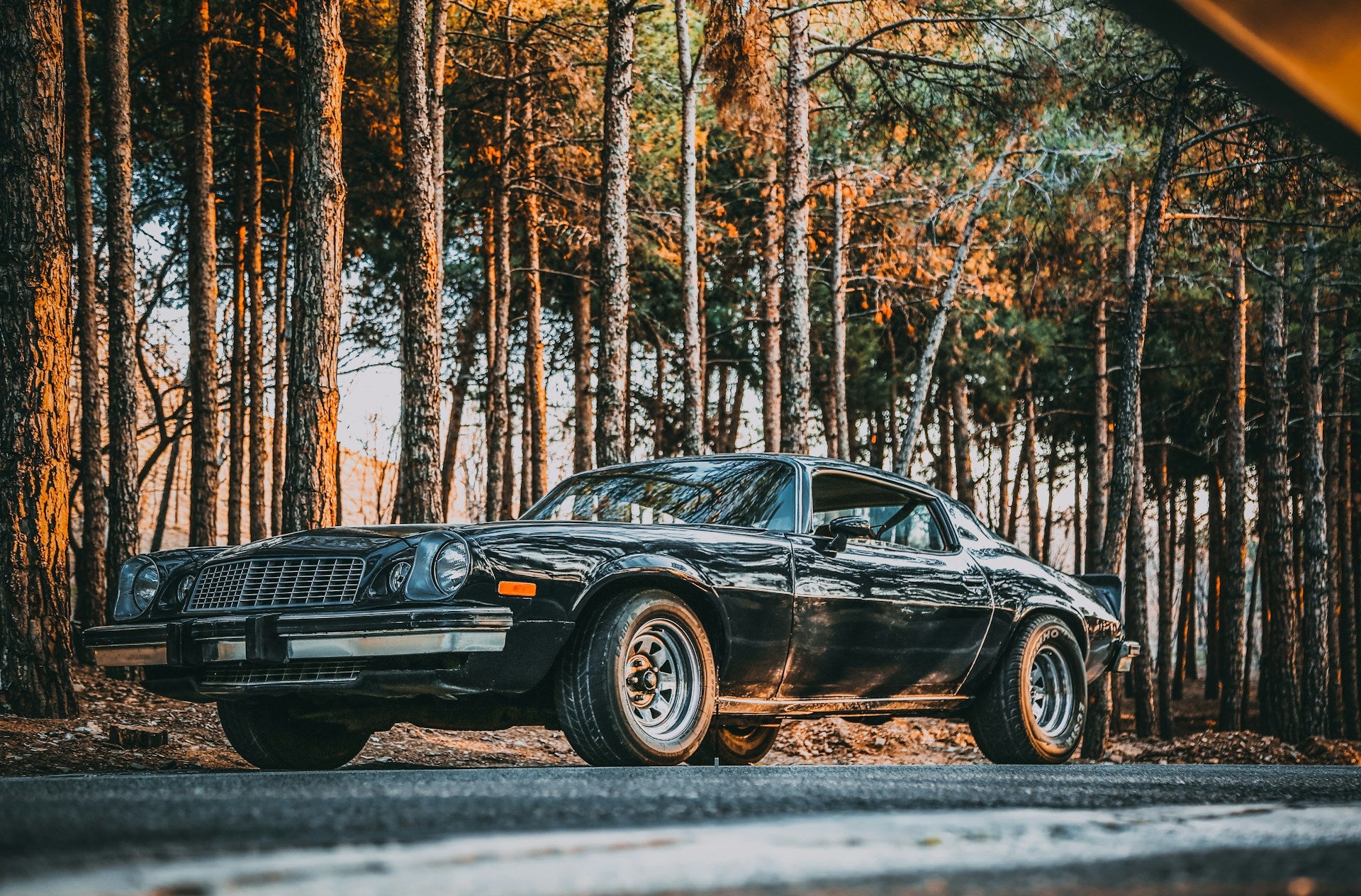
Chevy Camaro

Driving in heavy rain can be tricky, especially in Texas where sudden downpours are common. Rainy conditions require extra care to keep you and others safe on the road. Slippery surfaces and reduced visibility can make driving more challenging, so taking the right precautions is important.

Preparation is key when venturing out in wet weather. From checking your car's equipment to adjusting your driving habits, each step helps ensure a safer journey. Being proactive about vehicle maintenance, like making sure your tires, lights, and wipers are in good condition, can significantly boost your safety during storms.

Thinking ahead about how to handle common rain hazards makes a big difference, too. Knowing what to do in emergencies or unexpected situations can keep you calm and help prevent accidents. Whether you’re a seasoned driver or learning the ropes, understanding these key safety tips will help you navigate those rainy Texas roads with confidence.

Preparing Your Vehicle for Rainy Conditions

Before hitting the road during a heavy Texan downpour, ensuring your vehicle is rain-ready makes a huge difference in your safety. Start by checking your tires. Properly inflated tires with good tread provide better traction on wet roads, helping to prevent slippery mishaps. Strong traction is your first line of defense against skidding and hydroplaning.

Next, take a close look at your windshield wipers. Clear visibility is crucial, and old or damaged wipers can streak or skip, impairing your line of sight. If they leave streaks or you hear them dragging, it’s time to change them. Quick, clear swipes will keep your view unobstructed during a storm.

Lighting on your vehicle also plays a critical role in safety. Make sure your headlights, brake lights, and turn signals are bright and working properly. This ensures you can see while driving and that other drivers see you, especially in poor visibility conditions. Replace any burnt-out bulbs without delay.

Finally, check your washer fluid levels and keep them topped up. Rainstorms often mix with mud and road spray that can leave your windshield dirty, so a good supply of washer fluid can quickly clear away debris, keeping your view clean and clear.

Adjusting Driving Techniques in Heavy Rain

Driving in heavy rain requires adjustments to your normal driving habits for safe handling of your vehicle. The first thing to consider is reducing your speed. Slow down to gain better control of your vehicle and minimize the risk of hydroplaning. Going slower also helps you react better to sudden changes around you.

Next, increase your following distance from the car ahead. This gives you more time to stop safely if the vehicle in front brakes suddenly. The extra distance provides a buffer for you to reduce speed smoothly, lowering accident risks.

Avoid making sudden movements with the steering wheel or brakes. Jerky or unexpected actions can lead to loss of control on wet surfaces. Smooth, gentle maneuvering is best for maintaining control in slippery conditions.

Be careful with cruise control on slick roads. It's safer to turn it off, as manually adjusting your speed provides more control. Keeping full control over your vehicle's acceleration and deceleration allows you to better adapt to changing road conditions and other drivers’ actions.

These driving adaptations improve safety by ensuring you stay in control and prepared for anything that may occur while traveling in rainy weather.

Navigating Common Hazards on Rainy Roads

Driving on wet roads can present a variety of hazards that require caution and quick thinking. Puddles are one such hazard. When possible, steer clear of these to prevent your vehicle from stalling or hydroplaning. Hitting a deep puddle can cause your car to lose contact with the road, leading to a loss of control.

Slippery roads and oil slicks can also be treacherous, especially at the start of rain when oils from the road surface mix with water. This combination creates particularly slick conditions, so take extra care and reduce speed as necessary.

Large vehicles, like trucks and buses, can splash water onto your windshield, temporarily blocking your view. Maintain a safe distance when driving behind these vehicles. This not only gives you time to adjust your speed but also prevents water from drastically impacting your visibility.

Be aware of reduced visibility during heavy downpours. Use headlights to make your vehicle more visible to others, and slow down as needed. Adjust your driving to stay safe and avoid any complications from limited sightlines. Staying alert and preparing for these common hazards ensures that you remain safe while navigating rainy roads.

Responding to Emergencies and Unforeseen Situations

Rainy weather can sometimes lead to unexpected situations, so knowing how to respond in an emergency is vital. If your car begins to skid, remain calm. Steer gently in the direction you wish to go without jerking the wheel. This helps you regain control without panicking or overcorrecting.

Keeping an emergency kit in your vehicle can be a lifesaver. Include items like a flashlight, basic tools, and first aid supplies for unexpected stops or breakdowns. These resources can help you manage minor issues until you reach safety.

If the rain becomes too heavy and visibility too poor, have a safety plan in place. Know where it's safe to pull over and wait out the storm. Turning on your hazard lights can alert other drivers to your situation, notifying them that you are stationary or moving slowly.

Being prepared and knowing how to respond keeps you in control, even when conditions on the road are less than ideal. Your calm and collected approach to emergency situations contributes to your overall safety and helps protect other drivers, too.

Conclusion: 

Preparing for heavy Texas rains is all about taking the right precautions and planning ahead. By equipping your vehicle with proper maintenance and adjusting your driving habits, you can confidently face even the stormiest days. Being watchful of common road hazards and having a clear plan for emergencies ensures that your journeys remain safe. Each tip enhances your ability to handle tough conditions and protect yourself and others on the roads.

When rainy weather hits, trust Finnegan Chevrolet Buick GMC to offer the best in reliable vehicles and expert advice. As the best GMC dealership in Texas, we are committed to helping you navigate safely, rain or shine. Visit us to explore our range of vehicles designed to keep you secure and comfortable regardless of the weather. Enhance your driving experience with our dedicated support and the perfect vehicle for your needs.
Recommended Posts

Chevrolet

Understanding the Differences in Chevrolet Lease Structures

As summer winds down in Texas, now is a smart time to start thinking ahead. For many drivers, that means rethinking how they use their vehicles and whether a lease makes sense before the busier fall season hits. Around this time of year, life tends to speed back up with school, work, and longer commutes. more Chevrolet offers different car leasing options, but they can look a bit confusing at first. Terms like closed-end and residual value may not mean much until you break them down. If you're thinking about skipping the long-term loan and trying something more flexible, understanding the lease types first can save time and stress later. What Is a Lease and How Is It Different from Buying? Leasing a car means you're paying to use it for a set amount of time instead of owning it. The contract usually runs for two to three years and includes details like monthly payments, included mileage, and what counts as normal wear. If you buy a car, you own it outright or finance it with a loan, and it's yours to keep or sell later. With leasing, the dealership still owns the car, and you agree to return it in good condition when the term ends. Leases often have lower monthly payments compared to loan financing. Most leases have set mileage limits, with extra fees if you go over. At the end of a lease, you either return the car or sometimes have the option to buy it. For people who don’t drive much or who like swapping vehicles every few years, leasing can feel like a better fit. Common Chevrolet Lease Structures Drivers See Every driver’s needs are different, which is why Chevrolet offers a few types of loan setups rather than a one-size-fits-all model. Each structure comes with different pros depending on how you drive and how long you want to keep the vehicle. Closed-end leases are the most common. You hand the car back when the term ends. You don't have to worry about resale value. If it's still in good shape and within mileage limits, you're all set. One-pay leases are paid in a single up-front payment rather than monthly installments. This type can sometimes offer savings and is useful for drivers who prefer fewer monthly expenses. Lease programs tied to loyalty or repeat drivers may allow better terms or more flexibility if you've leased before or stick with Chevrolet every few years. It's worth reading through the details before choosing. What looks good on the surface might not be the best match for your daily habits. How Lease Terms Can Change Based on Use Texas drivers often cover a lot of ground, whether for work or road trips. That means lease mileage and usage rules can play a bigger part in your decision. If you drive long distances often, check the mileage cap closely. Many leases give an average yearly max, but extras can usually be added upfront. For people who mostly use their car around town, a standard lease mileage limit may be just fine. Summer and holiday driving can add surprises. If your miles go up during vacation or family events, plan ahead for that increase before locking into a lease. Some leases include wear-and-tear limits. Highway driving is usually lighter on wear than constant stop-and-go city use, especially in summer heat. The key is picking terms that match your real routine, not just your ideal routine. Making Sense of Payments and Incentives Lease pricing involves more than the monthly number on the sticker. The total cost is shaped by factors that can shift depending on model, market, or specific dealership events. Down payments can reduce monthly costs, but paying less up front usually means higher monthly fees. Residual value is what the car is worth at the end of the lease. A higher residual value usually helps keep costs lower. Promotions might offer tempting monthly rates or low up-front costs, but make sure to read the full terms, including fees for going over mileage or ending early. Prices can vary based on trim levels, model years, and even color availability. Newer models or rare trims may cost more to lease. Being aware of what influences the structure helps you ask the right questions and budget without surprises. What to Think About Before Signing a Chevrolet Lease Before signing anything, it’s good to slow things down and ask how a lease would fit in your bigger picture. Ask about the full term length and whether it's flexible at all. Find out what happens if you need to end the lease early or swap cars before the term ends. Check if regular maintenance is included or expected during the lease. Some drivers prefer to have tire rotations and oil changes covered. Think about what might change during your lease period, like job shifts, school plans, or growing families. Will the car still fit after two years? Getting all the information up front makes it easier to avoid getting locked into something that doesn’t work six months down the road. Choosing the Lease That Matches How You Drive Car leasing options aren't just about numbers on paper. They’re about how you actually live and drive. If you're driving a long way every week or prefer a new car every few years, Chevrolet leasing structures give you room to plan. Understanding what separates one lease from another lets you avoid guesswork and feel more prepared come signing day. Right now, as we near the end of summer in Rosenberg, Texas, it’s a good time to step back and look at how your car fits into your daily routines. Matching the lease to that rhythm makes the experience smoother from start to finish. Ready to explore leasing options tailored to your needs? At Finnegan Chevrolet Buick GMC, our team is dedicated to helping you find the perfect fit for your lifestyle, whether you're interested in flexibility, the latest models, or manageable commitments. Discover our Chevy best lease deals and take the first step toward driving a car that complements your routine in Rosenberg, Texas. Let us guide you with expert advice and friendly service to ensure a smooth leasing experience.

GMC

Checklist for Visiting a GMC Dealer in Rosenberg for the First Time

Visiting a GMC dealer in Rosenberg, TX, for the first time can feel like a big step, especially if you haven’t been to a dealership in a while or don’t know what to expect. Walking into a showroom on a hot August day might just add to the overwhelm. That Texas sun can really turn up the heat, so it is a good idea to prep for both the weather and the visit itself. A little planning up front can help you make the most of your time and feel more confident about what comes next. more Knowing what to bring, what to ask, and what to look for can save time and help you focus while you're there. Whether you're just browsing or ready to buy, being prepared helps you walk away knowing you made the most of your visit. Know What Vehicle You Want to Test Drive Before you head to any GMC dealer in Rosenberg, TX, take some time to do a little homework. You don’t need to become an expert, but getting familiar with GMC models can help narrow things down fast once you're on-site. Make a list of models you're interested in Write down a few must-have features, like towing capacity, third-row seating, or remote start Be open to suggestions in case a similar vehicle better meets your needs Salespeople can help guide you if something you like isn’t available or if there's something even better you didn’t know about. Walking in with an idea of what you want (and what you don’t) makes the test-drive process a lot smoother. What to Bring With You on Your Visit Planning ahead can keep your visit on track and help avoid any slowdowns. Bringing a few key things with you can make a big difference, especially if you're hoping to drive something or talk numbers. Bring a valid driver’s license so you can hit the road for a test drive Have recent pay stubs or financing pre-approval documents with you if you're planning to buy Carry a bottle of water and dress for the heat, you might be walking around the lot a lot more than expected The Texas heat in August can sneak up on you fast. Staying hydrated and comfortable helps you focus more on the vehicles and less on the sweat. Questions to Ask While You're at the Dealership A first visit isn’t just about seeing cars. It’s your chance to ask questions that help connect the dots and give you peace of mind. If something is on your mind, even if it seems small, it’s worth bringing up. Ask what warranties or service plans are included with the vehicles Find out how long the models you're looking at usually stay in stock If you're sensitive to heat, ask how the cabin design helps with interior cooling If you’re trading in a vehicle, get details on how that process works and what info you’ll need Being direct helps avoid missed details and makes it easier to compare what you're seeing. Exploring the Dealership's Facilities and Services While you’re waiting or between test drives, take a minute to look around the dealership’s spaces. How a dealer handles their service center and customer areas can give you a better picture of what long-term support might feel like. Ask to see the service area if it’s not in plain sight Look around the waiting areas to see if they’re clean and comfortable Ask if they offer scheduled maintenance plans or provide loaner vehicles for service appointments If you plan to service your car at the same location where you buy it, knowing what those spaces are like and what’s covered over time matters more than you’d think. Final Check: Review and Reflect Before You Decide It's easy to get caught up in the moment, especially when a car feels just right during a test drive. But it’s okay to pause and take a second look before deciding. Don’t rush the process. Take another test drive if something didn’t feel quite right Compare trims, model years, and even colors while you’re there Use your phone or a notebook to track what stood out and what you still have questions about When you get home, those notes can help guide your thinking. Sometimes having the time to sleep on it helps you see things more clearly. Making Your First Visit Count in the Long Run Your first visit to a dealership should leave you feeling informed, not rushed. Whether you're ready to buy now or just doing research, what matters most is that you feel confident in the next step. By asking the right questions, showing up prepared, and taking the time to look at your options, you're setting yourself up for a smoother experience. Walking the lot in August heat might be a workout, but it’s worth it to feel comfortable with your decision when you’re behind the wheel. Ready to visit a GMC dealership in Rosenberg, TX and explore the range of vehicles that fit your needs? At Finnegan Chevrolet Buick GMC, our team is prepared to assist you with any questions you might have, from test drives to trade-ins. Feel the thrill of discovering the perfect GMC model that meets all your requirements. Visit us now and make your next drive unforgettable!

GMC Truck

How to Choose a Texas Truck That Handles Year-Round Conditions

Choosing a truck in Texas means thinking beyond style and sticker price. Around here, the weather can flip fast. That means the truck you count on needs to do more than look good. It needs to power through blistering summers, heavy downpours, dusty roads, and unexpected cold snaps, sometimes all in the same year. more Texas best trucks aren’t just built for comfort. They’re made to work, whether that means hauling feed, navigating city traffic, or handling tight turns on steep ranch trails. When our neighbors in and around Rosenberg, TX, come looking for a truck that can hold up every month of the year, we know they’re thinking about more than just horsepower. They want something that makes life easier through real Texas conditions. Consider the Climate You’ll Drive Through The weather in Texas shifts constantly, and some regions get more than their share of extremes. From scorching summers in the south to freezing mornings up north, our state puts vehicles to the test. That’s why a solid all-season truck has to handle more than one kind of condition. Summer heat demands heavy-duty cooling systems and tires that can hold up on sizzling highways. Brake pads and traction systems need to stay sharp, especially during stormy months when roads get slick. A truck with smart airflow or vented seating is easier to ride in when humidity peaks well before noon. Higher clearance helps when water collects on low rural roads during flash floods. Winters in Rosenberg aren’t like they are farther north, but some areas of Texas still get hit with frost and even patches of ice. So dry performance isn’t enough, a well-rounded pickup has to stop and steer confidently when the weather shifts overnight. Focus on Versatility for Both City and Land Conditions change fast here. You might drive on smooth city streets in Rosenberg during the week, then head to your deer lease or a feed supply out on clay roads by the weekend. That’s where versatility matters most. Two-wheel drive trucks make sense for mostly in-town drivers or flat routes with no off-roading. Four-wheel drive comes into play when you're headed past the pavement or hauling across uneven ground. Storage flexibility, strong tailgates, and easy-tie systems help when you're loading ranch tools or weekly groceries. A truck bed that fits both weekend gear and job-site tools without reshuffling everything is always a win. People in Texas expect their trucks to do double duty. At Finnegan Chevrolet Buick GMC, we’ve worked with lots of drivers who want something that lets them get to work in the morning and tow a trailer through the back pasture by sundown. It’s not about pushing a truck to the limit every day. It’s about knowing it’s up to the task when you need it. Think About Fuel and Maintenance Over Time Texas covers a lot of ground. Whether you’re commuting from the outer edge of town or taking long road trips to see family, fuel economy starts to matter. That’s where picking a reliable, efficient model makes a real difference. Trucks that stretch a tank further help drivers keep moving between bigger refuels, especially in rural counties. Rain, dust, and heat can wear out cheaper materials quickly, so it pays to look for models known for lasting build quality. Parts that hold up to seasonal changes save drivers time in the shop and extra repair costs down the road. Many drivers don’t think about how often they’ll be replacing brake pads, wiper blades, or even window seals, but those can wear faster under heavy heat or during dust storms. Choosing something known for durability is a better plan if your truck is more than a weekend ride. Tech, Safety, and Comfort that Make Driving Easier Texas roads aren’t just about open highways. Some are packed with traffic. Others are narrow driveways or muddy ranch entries. That’s when comfort and safety features really help. Air-conditioned seats, quality seat fabric, and deep cabin storage go a long way on long drives. Driver assist settings like lane alert and adaptive cruise make city traffic easier to manage. Cameras and park sensors help in tight spots, both in crowded parking lots and out under wide, open skies. Rain detection and auto-headlights reduce distraction and keep the focus on the road during fast summer downpours. Many drivers don’t ask for complicated tech. They just want features that work every time without overcomplicating the basics. That’s especially true for people who split time between busy highways and countryside roads. Built for Texas, Ready All Year Texas best trucks are the ones that fit the seasons, the roadways, and real daily needs. We’ve seen firsthand how design and dependability matter, from blistering July days in Rosenberg, TX, to surprise cold fronts in January. Trucks that hold up without complaint are worth a closer look. At Finnegan Chevrolet Buick GMC, we know our neighbors are looking for something ready to roll no matter the month. Picking the right model isn’t about flash. It’s about knowing your truck will handle wet roads, dry stretches, muddy trails, and city errands with the same confidence every time. When it fits your life, the truck ends up doing more than you thought it could. Tackle gritty backroads and everyday errands with confidence by exploring our selection of trucks built for the way Texans really drive. Whether you need dependable hauling or a smooth city ride, our lineup is designed to keep up with your busy needs. We’re proud to offer some of the Texas best trucks that work as hard as you do. Visit Finnegan Chevrolet Buick GMC to discover what’s available and let’s find the right fit for you. Call us when you’re ready to get behind the wheel.