


Blog

Identifying the Top Benefits of Leasing vs. Buying a Car in 2025

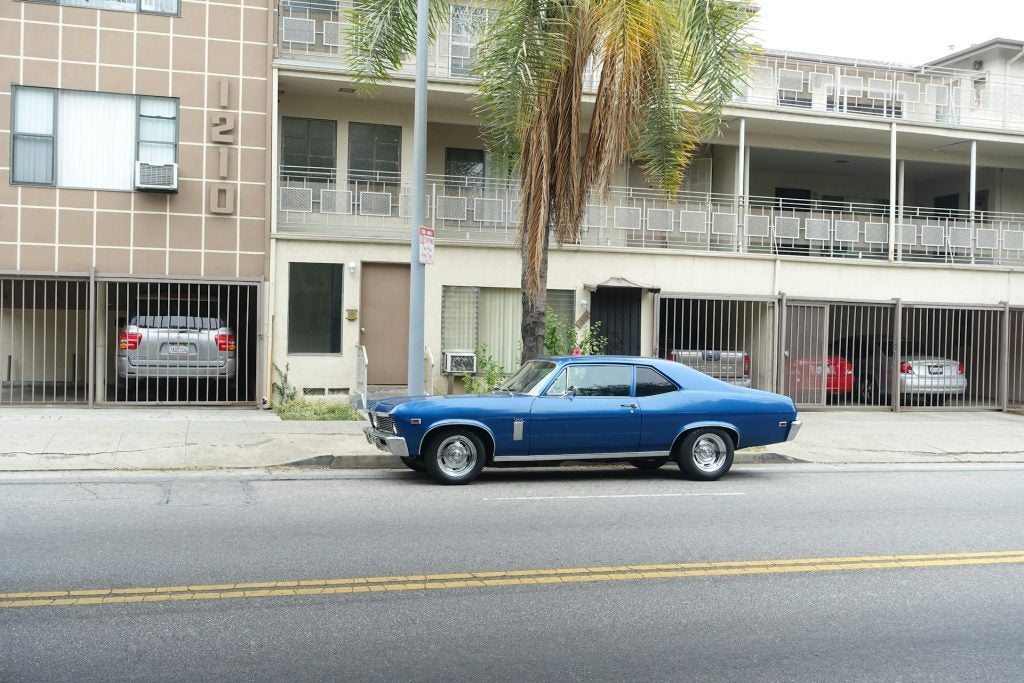
Car in front of apartments

Deciding whether to lease or buy a car is more than just choosing a vehicle—it's about how you plan to finance this important investment. Both leasing and buying offer unique benefits, which can make the decision a bit challenging. It's helpful to understand the advantages of each to decide what works best for your lifestyle and budget.

Leasing a car often appeals to those who enjoy driving the latest models without the worry of depreciation. On the other hand, buying a car can be a great option if you’re looking for long-term value. With buying, you eventually own the vehicle and don't have to worry about lease-end conditions.

Both options have their unique perks and potential drawbacks, and the best choice depends on your personal needs and financial situation. By looking closely at the differences between leasing and buying, you can make a smarter decision for your next car. Let’s dive into some of the key benefits of both so you can find the right fit for you.

Financial Flexibility and Upfront Costs

When considering whether to lease or buy a car, financial flexibility and upfront costs play a major role in your decision. Leasing often requires a lower upfront payment than buying. This can make getting into a new car more accessible for some people. Families or individuals who want to minimize out-of-pocket expenses might find leasing appealing.

One of the biggest advantages of leasing is the smaller monthly payments. These often end up being lower compared to buying the same car. When you lease, you essentially pay for the car's depreciation during the lease term, not the full purchase price. This can free up cash for other expenses or investments.

Here are some other financial considerations when evaluating leasing:

  • Minimal maintenance costs: Many leases cover routine maintenance, reducing unexpected expenses.
  • Tax benefits: In some cases, leasing can offer certain tax advantages, especially if using the car for business.
  • No resale concerns: At the end of a lease, you simply return the car and avoid dealing with the hassle of selling a used vehicle.

Buying, however, leads to ownership once the car is paid off, potentially saving you more money over time without monthly payments. But keep in mind the higher initial costs and possible long-term maintenance can impact budgets differently based on individual needs and financial situations.

Vehicle Upgrades and Latest Technology Access

Leasing a car provides a great opportunity to drive a vehicle with the latest technology and safety features, without the commitment of long-term ownership. This means you can frequently enjoy new upgrades and innovations in car tech faster than if you were to buy and keep a car for several years.

Every few years, as leases expire, lessees have the chance to switch to the newest model. This ensures that they always drive a car equipped with the most advanced features like improved fuel efficiency, cutting-edge entertainment systems, and the latest safety technology.

Here's why leasing can be enticing for tech enthusiasts:

  • Regular updates: Cars in lease cycles are often refreshed with updated features and design improvements.
  • Enhanced safety: Access the newest safety technologies that may not be available on older car models.
  • Stylish options: Enjoy the latest designer styles and customizable features that newer models offer.

If staying up-to-date with technology is important, leasing can be the best route. However, buyers who don't mind holding onto the same vehicle for several years can still benefit from upgrades but less frequently. They can invest in purchased technology or aftermarket upgrades over time if they choose to keep their vehicle longer. Both leasing and buying offer paths to access new features, so deciding which option aligns with personal preferences and lifestyle needs is crucial.

Mileage Limits and Usage Considerations

When you lease a vehicle, you agree to certain mileage limits as part of the contract. This can be a downside for people who drive long distances regularly. Most leases come with annual mileage restrictions, typically ranging from 10,000 to 15,000 miles. If you exceed these limits, you might have to pay an additional fee for each extra mile driven.

Mileage limits keep you focused on how much you drive, which can be restrictive if your needs change unexpectedly. However, if your driving patterns are predictable and within normal ranges, leasing remains a suitable option.

Here's what you should consider about mileage when leasing:

  • Monitor your travel: Tracking your mileage throughout the year helps avoid excess fees.
  • Underestimated needs: Consider potential changes in routine, like long commutes or family trips, which might affect your mileage.
  • Options for high-mileage needs: Some leases offer plans for higher mileage, though these can increase monthly payments.

If you anticipate higher mileage, buying a car gives you unlimited freedom to drive without worrying about extra fees. Buying becomes ideal for spontaneous road trips or frequent long drives, as you own the vehicle outright and can accumulate mileage as you see fit.

Long-Term Ownership vs. Short-Term Commitment

Choosing between leasing and buying often depends on how long you want to commit to a vehicle. Leasing focuses on short-term commitments, typically two to three years, which means you can switch to a new vehicle regularly. This keeps your driving experience fresh and lets you enjoy new car benefits more frequently.

With leasing, you avoid the long-term wear and tear issues that come with ownership. Plus, driving a car for shorter spans avoids dealing with depreciation over time. If you value flexibility and enjoy change, leasing aligns well with your needs.

Benefits of short-term leasing include:

  • Easier transitions: A new car every few years means easy access to the latest models and trends.
  • Less commitment: Ideal for people who anticipate lifestyle or job changes that might affect their vehicle needs.

Conversely, buying a car is better for those who prefer long-term stability. Ownership provides a sense of permanency and allows you to customize your vehicle as you see fit. Once you finish making payments, you own the car, which can translate into savings over time.

For those who cherish the idea of automotive independence with full ownership rights, buying fulfills that desire remarkably well.

Wrapping Up: The Best Choice for Your Needs

Deciding whether to lease or buy your next vehicle comes down to considering your personal needs and financial goals. Both options have substantial benefits, and the right choice depends on what aligns best with your lifestyle. Leasing offers flexibility, lower monthly payments, and access to new models, appealing to drivers who enjoy short-term arrangements. Buying provides the satisfaction of ownership, unlimited mileage, and long-term value, ideal for those who plan to hold onto their vehicle for many years.

At Finnegan Chevrolet Buick GMC, we're here to help you find the perfect vehicle solution in Texas. Whether you're drawn to leasing with all the perks of driving the latest cars, or you're ready to make a purchase and invest in long-term ownership, our Rosenberg car dealership has a wide range of Chevrolet, Buick, and GMC models waiting for you. Visit us today to explore your options and find a vehicle that suits your lifestyle perfectly.
Recommended Posts

Chevrolet

Understanding the Differences in Chevrolet Lease Structures

As summer winds down in Texas, now is a smart time to start thinking ahead. For many drivers, that means rethinking how they use their vehicles and whether a lease makes sense before the busier fall season hits. Around this time of year, life tends to speed back up with school, work, and longer commutes. more Chevrolet offers different car leasing options, but they can look a bit confusing at first. Terms like closed-end and residual value may not mean much until you break them down. If you're thinking about skipping the long-term loan and trying something more flexible, understanding the lease types first can save time and stress later. What Is a Lease and How Is It Different from Buying? Leasing a car means you're paying to use it for a set amount of time instead of owning it. The contract usually runs for two to three years and includes details like monthly payments, included mileage, and what counts as normal wear. If you buy a car, you own it outright or finance it with a loan, and it's yours to keep or sell later. With leasing, the dealership still owns the car, and you agree to return it in good condition when the term ends. Leases often have lower monthly payments compared to loan financing. Most leases have set mileage limits, with extra fees if you go over. At the end of a lease, you either return the car or sometimes have the option to buy it. For people who don’t drive much or who like swapping vehicles every few years, leasing can feel like a better fit. Common Chevrolet Lease Structures Drivers See Every driver’s needs are different, which is why Chevrolet offers a few types of loan setups rather than a one-size-fits-all model. Each structure comes with different pros depending on how you drive and how long you want to keep the vehicle. Closed-end leases are the most common. You hand the car back when the term ends. You don't have to worry about resale value. If it's still in good shape and within mileage limits, you're all set. One-pay leases are paid in a single up-front payment rather than monthly installments. This type can sometimes offer savings and is useful for drivers who prefer fewer monthly expenses. Lease programs tied to loyalty or repeat drivers may allow better terms or more flexibility if you've leased before or stick with Chevrolet every few years. It's worth reading through the details before choosing. What looks good on the surface might not be the best match for your daily habits. How Lease Terms Can Change Based on Use Texas drivers often cover a lot of ground, whether for work or road trips. That means lease mileage and usage rules can play a bigger part in your decision. If you drive long distances often, check the mileage cap closely. Many leases give an average yearly max, but extras can usually be added upfront. For people who mostly use their car around town, a standard lease mileage limit may be just fine. Summer and holiday driving can add surprises. If your miles go up during vacation or family events, plan ahead for that increase before locking into a lease. Some leases include wear-and-tear limits. Highway driving is usually lighter on wear than constant stop-and-go city use, especially in summer heat. The key is picking terms that match your real routine, not just your ideal routine. Making Sense of Payments and Incentives Lease pricing involves more than the monthly number on the sticker. The total cost is shaped by factors that can shift depending on model, market, or specific dealership events. Down payments can reduce monthly costs, but paying less up front usually means higher monthly fees. Residual value is what the car is worth at the end of the lease. A higher residual value usually helps keep costs lower. Promotions might offer tempting monthly rates or low up-front costs, but make sure to read the full terms, including fees for going over mileage or ending early. Prices can vary based on trim levels, model years, and even color availability. Newer models or rare trims may cost more to lease. Being aware of what influences the structure helps you ask the right questions and budget without surprises. What to Think About Before Signing a Chevrolet Lease Before signing anything, it’s good to slow things down and ask how a lease would fit in your bigger picture. Ask about the full term length and whether it's flexible at all. Find out what happens if you need to end the lease early or swap cars before the term ends. Check if regular maintenance is included or expected during the lease. Some drivers prefer to have tire rotations and oil changes covered. Think about what might change during your lease period, like job shifts, school plans, or growing families. Will the car still fit after two years? Getting all the information up front makes it easier to avoid getting locked into something that doesn’t work six months down the road. Choosing the Lease That Matches How You Drive Car leasing options aren't just about numbers on paper. They’re about how you actually live and drive. If you're driving a long way every week or prefer a new car every few years, Chevrolet leasing structures give you room to plan. Understanding what separates one lease from another lets you avoid guesswork and feel more prepared come signing day. Right now, as we near the end of summer in Rosenberg, Texas, it’s a good time to step back and look at how your car fits into your daily routines. Matching the lease to that rhythm makes the experience smoother from start to finish. Ready to explore leasing options tailored to your needs? At Finnegan Chevrolet Buick GMC, our team is dedicated to helping you find the perfect fit for your lifestyle, whether you're interested in flexibility, the latest models, or manageable commitments. Discover our Chevy best lease deals and take the first step toward driving a car that complements your routine in Rosenberg, Texas. Let us guide you with expert advice and friendly service to ensure a smooth leasing experience.

GMC

Checklist for Visiting a GMC Dealer in Rosenberg for the First Time

Visiting a GMC dealer in Rosenberg, TX, for the first time can feel like a big step, especially if you haven’t been to a dealership in a while or don’t know what to expect. Walking into a showroom on a hot August day might just add to the overwhelm. That Texas sun can really turn up the heat, so it is a good idea to prep for both the weather and the visit itself. A little planning up front can help you make the most of your time and feel more confident about what comes next. more Knowing what to bring, what to ask, and what to look for can save time and help you focus while you're there. Whether you're just browsing or ready to buy, being prepared helps you walk away knowing you made the most of your visit. Know What Vehicle You Want to Test Drive Before you head to any GMC dealer in Rosenberg, TX, take some time to do a little homework. You don’t need to become an expert, but getting familiar with GMC models can help narrow things down fast once you're on-site. Make a list of models you're interested in Write down a few must-have features, like towing capacity, third-row seating, or remote start Be open to suggestions in case a similar vehicle better meets your needs Salespeople can help guide you if something you like isn’t available or if there's something even better you didn’t know about. Walking in with an idea of what you want (and what you don’t) makes the test-drive process a lot smoother. What to Bring With You on Your Visit Planning ahead can keep your visit on track and help avoid any slowdowns. Bringing a few key things with you can make a big difference, especially if you're hoping to drive something or talk numbers. Bring a valid driver’s license so you can hit the road for a test drive Have recent pay stubs or financing pre-approval documents with you if you're planning to buy Carry a bottle of water and dress for the heat, you might be walking around the lot a lot more than expected The Texas heat in August can sneak up on you fast. Staying hydrated and comfortable helps you focus more on the vehicles and less on the sweat. Questions to Ask While You're at the Dealership A first visit isn’t just about seeing cars. It’s your chance to ask questions that help connect the dots and give you peace of mind. If something is on your mind, even if it seems small, it’s worth bringing up. Ask what warranties or service plans are included with the vehicles Find out how long the models you're looking at usually stay in stock If you're sensitive to heat, ask how the cabin design helps with interior cooling If you’re trading in a vehicle, get details on how that process works and what info you’ll need Being direct helps avoid missed details and makes it easier to compare what you're seeing. Exploring the Dealership's Facilities and Services While you’re waiting or between test drives, take a minute to look around the dealership’s spaces. How a dealer handles their service center and customer areas can give you a better picture of what long-term support might feel like. Ask to see the service area if it’s not in plain sight Look around the waiting areas to see if they’re clean and comfortable Ask if they offer scheduled maintenance plans or provide loaner vehicles for service appointments If you plan to service your car at the same location where you buy it, knowing what those spaces are like and what’s covered over time matters more than you’d think. Final Check: Review and Reflect Before You Decide It's easy to get caught up in the moment, especially when a car feels just right during a test drive. But it’s okay to pause and take a second look before deciding. Don’t rush the process. Take another test drive if something didn’t feel quite right Compare trims, model years, and even colors while you’re there Use your phone or a notebook to track what stood out and what you still have questions about When you get home, those notes can help guide your thinking. Sometimes having the time to sleep on it helps you see things more clearly. Making Your First Visit Count in the Long Run Your first visit to a dealership should leave you feeling informed, not rushed. Whether you're ready to buy now or just doing research, what matters most is that you feel confident in the next step. By asking the right questions, showing up prepared, and taking the time to look at your options, you're setting yourself up for a smoother experience. Walking the lot in August heat might be a workout, but it’s worth it to feel comfortable with your decision when you’re behind the wheel. Ready to visit a GMC dealership in Rosenberg, TX and explore the range of vehicles that fit your needs? At Finnegan Chevrolet Buick GMC, our team is prepared to assist you with any questions you might have, from test drives to trade-ins. Feel the thrill of discovering the perfect GMC model that meets all your requirements. Visit us now and make your next drive unforgettable!

GMC Truck

How to Choose a Texas Truck That Handles Year-Round Conditions

Choosing a truck in Texas means thinking beyond style and sticker price. Around here, the weather can flip fast. That means the truck you count on needs to do more than look good. It needs to power through blistering summers, heavy downpours, dusty roads, and unexpected cold snaps, sometimes all in the same year. more Texas best trucks aren’t just built for comfort. They’re made to work, whether that means hauling feed, navigating city traffic, or handling tight turns on steep ranch trails. When our neighbors in and around Rosenberg, TX, come looking for a truck that can hold up every month of the year, we know they’re thinking about more than just horsepower. They want something that makes life easier through real Texas conditions. Consider the Climate You’ll Drive Through The weather in Texas shifts constantly, and some regions get more than their share of extremes. From scorching summers in the south to freezing mornings up north, our state puts vehicles to the test. That’s why a solid all-season truck has to handle more than one kind of condition. Summer heat demands heavy-duty cooling systems and tires that can hold up on sizzling highways. Brake pads and traction systems need to stay sharp, especially during stormy months when roads get slick. A truck with smart airflow or vented seating is easier to ride in when humidity peaks well before noon. Higher clearance helps when water collects on low rural roads during flash floods. Winters in Rosenberg aren’t like they are farther north, but some areas of Texas still get hit with frost and even patches of ice. So dry performance isn’t enough, a well-rounded pickup has to stop and steer confidently when the weather shifts overnight. Focus on Versatility for Both City and Land Conditions change fast here. You might drive on smooth city streets in Rosenberg during the week, then head to your deer lease or a feed supply out on clay roads by the weekend. That’s where versatility matters most. Two-wheel drive trucks make sense for mostly in-town drivers or flat routes with no off-roading. Four-wheel drive comes into play when you're headed past the pavement or hauling across uneven ground. Storage flexibility, strong tailgates, and easy-tie systems help when you're loading ranch tools or weekly groceries. A truck bed that fits both weekend gear and job-site tools without reshuffling everything is always a win. People in Texas expect their trucks to do double duty. At Finnegan Chevrolet Buick GMC, we’ve worked with lots of drivers who want something that lets them get to work in the morning and tow a trailer through the back pasture by sundown. It’s not about pushing a truck to the limit every day. It’s about knowing it’s up to the task when you need it. Think About Fuel and Maintenance Over Time Texas covers a lot of ground. Whether you’re commuting from the outer edge of town or taking long road trips to see family, fuel economy starts to matter. That’s where picking a reliable, efficient model makes a real difference. Trucks that stretch a tank further help drivers keep moving between bigger refuels, especially in rural counties. Rain, dust, and heat can wear out cheaper materials quickly, so it pays to look for models known for lasting build quality. Parts that hold up to seasonal changes save drivers time in the shop and extra repair costs down the road. Many drivers don’t think about how often they’ll be replacing brake pads, wiper blades, or even window seals, but those can wear faster under heavy heat or during dust storms. Choosing something known for durability is a better plan if your truck is more than a weekend ride. Tech, Safety, and Comfort that Make Driving Easier Texas roads aren’t just about open highways. Some are packed with traffic. Others are narrow driveways or muddy ranch entries. That’s when comfort and safety features really help. Air-conditioned seats, quality seat fabric, and deep cabin storage go a long way on long drives. Driver assist settings like lane alert and adaptive cruise make city traffic easier to manage. Cameras and park sensors help in tight spots, both in crowded parking lots and out under wide, open skies. Rain detection and auto-headlights reduce distraction and keep the focus on the road during fast summer downpours. Many drivers don’t ask for complicated tech. They just want features that work every time without overcomplicating the basics. That’s especially true for people who split time between busy highways and countryside roads. Built for Texas, Ready All Year Texas best trucks are the ones that fit the seasons, the roadways, and real daily needs. We’ve seen firsthand how design and dependability matter, from blistering July days in Rosenberg, TX, to surprise cold fronts in January. Trucks that hold up without complaint are worth a closer look. At Finnegan Chevrolet Buick GMC, we know our neighbors are looking for something ready to roll no matter the month. Picking the right model isn’t about flash. It’s about knowing your truck will handle wet roads, dry stretches, muddy trails, and city errands with the same confidence every time. When it fits your life, the truck ends up doing more than you thought it could. Tackle gritty backroads and everyday errands with confidence by exploring our selection of trucks built for the way Texans really drive. Whether you need dependable hauling or a smooth city ride, our lineup is designed to keep up with your busy needs. We’re proud to offer some of the Texas best trucks that work as hard as you do. Visit Finnegan Chevrolet Buick GMC to discover what’s available and let’s find the right fit for you. Call us when you’re ready to get behind the wheel.